Destination Guides
Lifestyle in Greece: Food, History and Outdoor Living for Americans
Explore the everyday appeal of Greece: shared meals, local food, cultural sites and outdoor activities suited to your own routine.
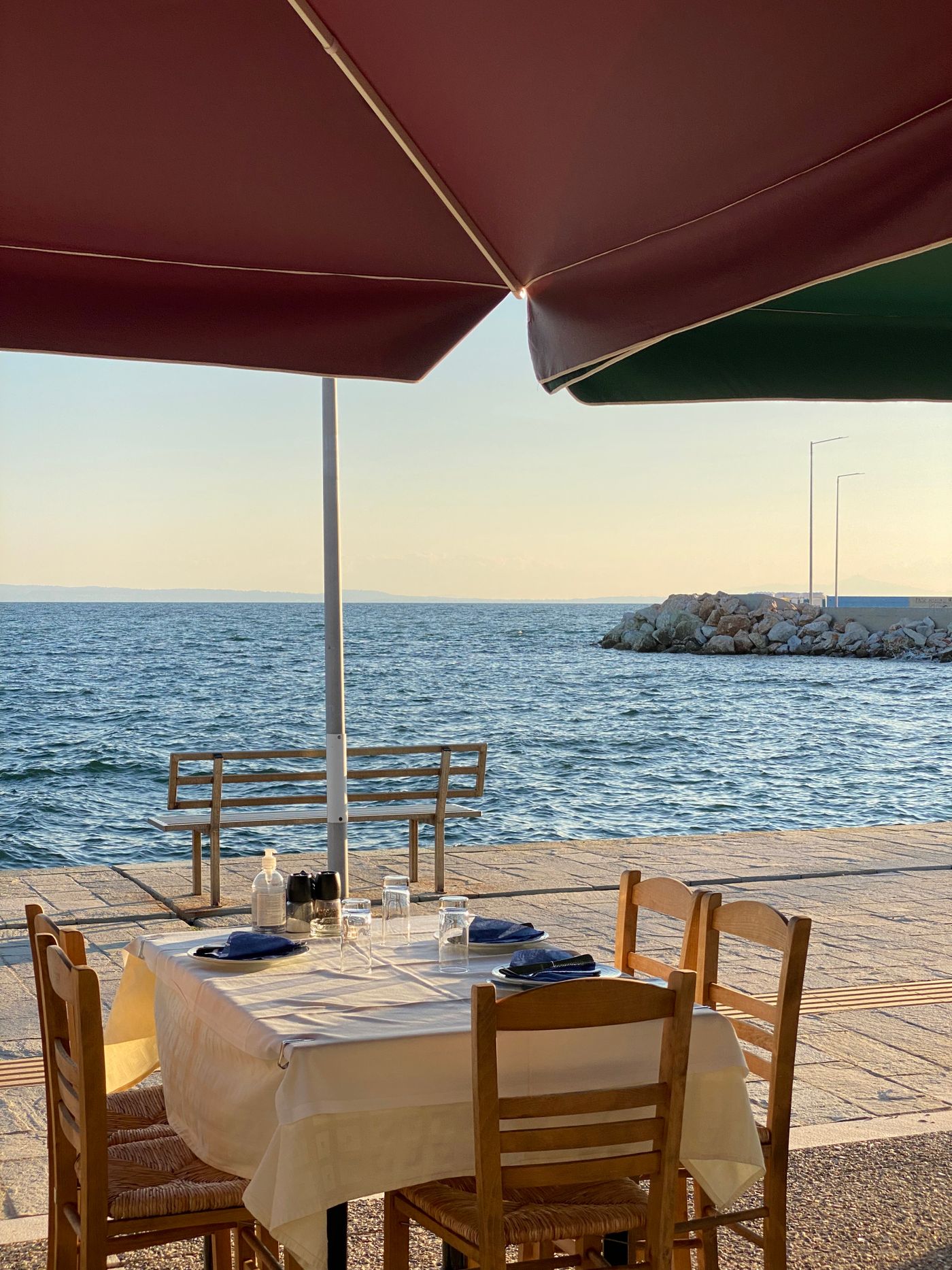
For many Americans, the appeal of living in Greece is found in the everyday moments: sharing a meal, shopping for local food, walking by the sea or spending a weekend exploring somewhere new.
Greece also offers variety. A home in Athens puts city life and ancient history close at hand, while a location on Crete or another island may offer more opportunities to spend time by the water. The mainland has mountains and archaeological sites as well as coastal communities.
The lifestyle you enjoy will depend on where you settle and how you spend your time. Before moving to Greece, it is worth exploring the ordinary routines of a place alongside its famous attractions.
What is everyday life like in Greece?
Food and social gatherings are important parts of life for many people in Greece. Meals with family and friends may be unhurried, offering time to talk and enjoy being together.
That does not mean everyone follows the same routine. Life varies by region, occupation, age and personal circumstances. A working day in Athens may feel different from retirement in a smaller town or life on an island.
When you visit a place you are considering, look beyond the sights. Spend time in the neighborhood, shop for groceries and notice where you might meet people or enjoy an ordinary afternoon.
Discovering Greek food
Greek cuisine offers a wide range of dishes and local traditions. Olive oil, vegetables, seafood, cheese, herbs and local wines all feature in different parts of the country.
A few foods and experiences to explore include:
- Olive oil and olives, used in cooking and served as part of meals.
- Feta, a familiar Greek cheese that can be enjoyed in salads and other dishes.
- Fresh fish and seafood, especially appealing to those living near the coast.
- Mezedes, small dishes that can be ordered and shared.
- Local wines, which offer a way to explore different wine-producing areas.
The food available to you will depend on where you live and the season. Greek cooking also varies across islands, cities and mountain regions, so settling in one place gives you an opportunity to discover its particular specialties.
What are mezedes?
Mezedes are small dishes often enjoyed alongside drinks or as part of a shared meal. They can include vegetables, cheese, seafood or meat.
Ordering a few dishes to share can be a sociable way to try foods that are unfamiliar to you. Check the menu and ask what is included if you have dietary restrictions or are unsure about an ingredient.
Is the Mediterranean diet healthy?
A traditional Mediterranean-style eating pattern places emphasis on foods such as vegetables, fruit, legumes, whole grains and olive oil. The World Health Organization notes that this pattern is associated with a lower risk of cardiovascular disease, diabetes and certain cancers.
Living in Greece does not automatically make someone’s diet healthy, however. What matters is the overall pattern of what you eat, along with your individual health needs.
If you have dietary restrictions or a medical condition, speak with an appropriate healthcare professional about what works for you. When eating out or shopping, ask about ingredients and preparation rather than assuming every dish is suitable.
Is food affordable in Greece?
Food can be enjoyed at different price points, but affordability depends on where you live, what you buy and how often you eat out. Prices in a popular visitor area may differ from those in the neighborhood where you plan to live.
Before setting a food budget, visit local grocery stores and markets. Compare the cost of the foods you buy regularly, and look at restaurant menus in the area. This will give you a more useful picture than assuming that every meal in Greece will be inexpensive.
If cooking is part of your routine, exploring local ingredients can also be a way to learn about your new community. You do not have to change your diet all at once; start with a few foods you enjoy and try local specialties as your confidence grows.
Sharing meals and making connections
A shared meal can be an opportunity to spend time with friends or family as well as to enjoy food. For someone moving to Greece, it can also be a relaxed way to get to know people.
Consider joining a cooking class, accepting an invitation to meet for coffee or exploring local events related to food. Returning to places you enjoy and learning some Greek can make everyday interactions easier over time.
Customs differ between households and communities. If you are invited to someone’s home and are unsure what to bring or when to arrive, asking your host is a considerate way to prepare.
Exploring Greece’s history and archaeology
Greece’s historic sites are a major attraction for visitors, but living in the country can give you more time to explore them at your own pace.
The Acropolis in Athens is one of the country’s best-known ancient sites. On the mainland, ancient Olympia offers another connection to Greece’s history. On Crete, the Minoan site of Knossos forms part of the Minoan Palatial Centres recognized by UNESCO.
Your location will affect how easily you can visit each place. If history is an important part of your decision to relocate, consider whether you would prefer to live near a major city, on Crete or somewhere with convenient connections to the sites you want to explore.
Living nearby also lets you spread visits over time rather than trying to fit everything into a single vacation.
Outdoor activities in Greece
Greece offers opportunities for people who enjoy being outdoors. Depending on where you settle, your leisure time might include hiking, sailing, snorkeling or exploring the coast.
Hiking and walking
Mountains, islands and mainland countryside all provide places to walk and explore. Choose routes that match your experience and check local conditions before setting out.
Summer heat deserves particular attention. Greece’s tourism authority advises avoiding hikes during a heat wave. Take water, plan your route and let someone know where you are going.
Sailing and snorkeling
For those drawn to the sea, sailing and snorkeling may be appealing ways to enjoy Greece’s coastline. Before choosing a home around these activities, investigate access to the water, local facilities and the conditions at different times of year.
Weather and sea conditions can change, so check them before heading out and choose activities appropriate to your experience.
Island-hopping and exploring by ferry
Ferries connect many Greek islands with the mainland and with other islands, making them an important part of travel in Greece. A resident may be able to explore at a more leisurely pace than someone visiting for a short vacation.
Schedules differ by route and season, however. Some services operate year-round, while others are less frequent or seasonal. Weather can also cause delays or cancellations.
If you plan to live on an island, check the journeys you would rely on for work, appointments and visits to the mainland—not only the routes you might use for leisure.
Choosing a location for the lifestyle you want
A home in Greece should support the way you want to spend an ordinary week. Before deciding on a city, town or island, ask yourself:
- Do I want to walk to cafés, markets and cultural activities?
- How important is regular access to the sea or mountains?
- Would I prefer a busy city or a smaller community?
- Can I reach the places and services I need throughout the year?
- Does the area still appeal to me outside the main summer season?
If possible, spend time in a prospective location before committing to a long lease or purchase. Shop locally, make the journeys you would need to make and try the activities you hope will become part of your routine.
If you’re planning a move to Greece and want help exploring your relocation options, contact Vantage Point Europe to discuss your plans and be connected with an appropriate independent provider.
[Start Your Journey](/startyourjourney/)