Destination Guides
Greece’s Climate and Geography: What Americans Should Know Before Moving
Compare Greece’s seasons, mainland and island settings, year-round transport and summer heat before choosing where to live.
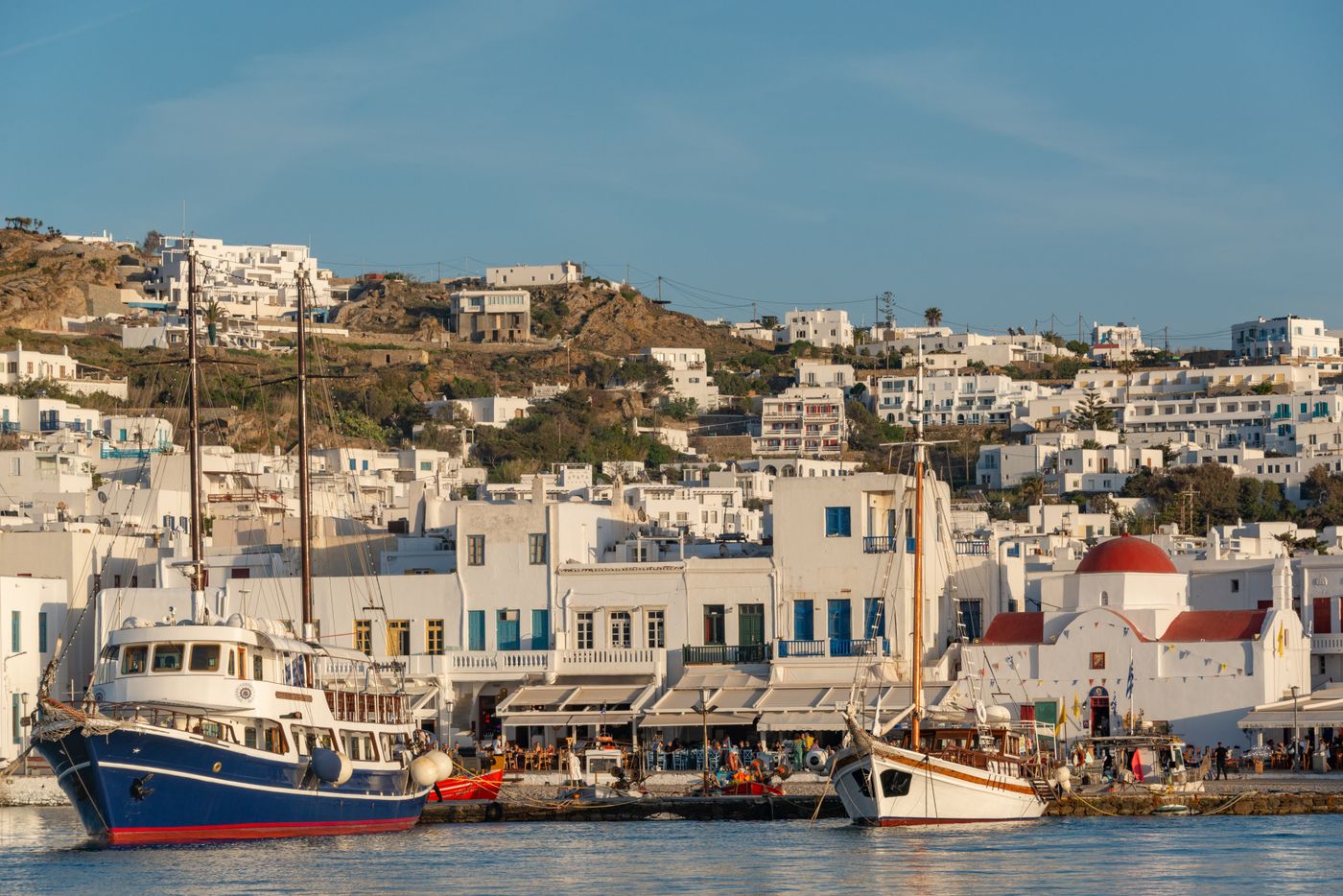
Greece offers more than the island scenery often seen in vacation photographs. Its geography includes a mountainous mainland, forests, wine regions, cities and thousands of islands and islets. The climate varies too: a home in Athens, a northern mountain town and an island property can provide very different experiences throughout the year.
For Americans considering a move to Greece, the key is to look beyond the weather during a summer visit. Think about how you would feel during a heat wave, what winter is like in your chosen location and how easily you could reach the services you need year-round.
What is the climate like in Greece?
Much of Greece has a Mediterranean climate, with hot, dry summers and generally milder winters. But geography makes a considerable difference. Coastal locations, inland areas and mountain communities do not all experience the same conditions.
Southern and island locations may appeal to people seeking warmer weather and time near the sea. Northern Greece offers a different landscape, including mountains and forests, with colder or wetter conditions in some areas.
When researching a place to live, check the climate for the specific town rather than relying on a national average. Elevation, distance from the sea and exposure to wind can all affect how a location feels.
What is the weather like in Athens?
Athens has hot summers, with July and August among the warmest months. Long-term climate averages for the central Athens weather station show average summer daytime highs around 34°C, or 93°F. Individual days can be hotter, particularly during a heat wave.
Winters are generally milder than in many parts of the northern United States, but they are not always warm. The same central Athens data shows an average January daytime high of around 13°C, or 56°F, and an average nighttime low of about 7°C, or 45°F.
If you are considering living in Athens, ask how a prospective home is cooled in summer and heated in winter. Shade, insulation, ventilation and energy costs can make a meaningful difference to your comfort.
Northern Greece: Mountains, forests and cooler weather
Northern Greece offers an alternative for people who want to explore beyond the country’s best-known island and coastal destinations. Its geography includes mountains, forests and wine-producing areas as well as cities and coastline.
Some northern and higher-elevation locations experience colder, wetter conditions than southern coastal areas. Mountain communities can also have snow in winter, so it is important to look at the conditions in the particular place you are considering.
If you are drawn to a rural or mountain home, think about practical access as well as scenery. Consider how you would travel to shops, medical appointments and other services in winter, and ask about the property’s heating arrangements.
How many islands does Greece have?
Greece’s tourism authority describes the country as having around 6,000 islands and islets, though only a small proportion are inhabited.
That number reflects how varied island life can be. A larger island with established services may offer a different daily routine from a small island where transport and amenities are more limited.
If you are considering moving to a Greek island, look at the island as a year-round home. The questions are not only whether you like the beaches or summer atmosphere, but also how you would manage everyday needs outside the main visitor season.
Do ferries run year-round?
Ferries connect many islands with the mainland and with other islands, and some important routes operate year-round. However, it would be misleading to assume that every island has frequent or direct service in every season.
Schedules can be reduced in winter, some routes are seasonal, and strong winds or other weather can cause delays or cancellations. Check the current timetable for the specific island and route you would rely on.
Before committing to an island home, consider:
- How often ferries or flights operate in winter.
- Whether travel to the mainland is direct or requires a connection.
- How you would reach medical care and other essential services.
- Whether a delayed sailing would disrupt work or an appointment.
- Which shops and services remain open outside the summer season.
If possible, visit outside peak summer as well as during it. Seeing the island in different seasons can help you decide whether its pace and connections suit you.
Summer heat and wildfires in Greece
Summer heat is an important consideration when choosing where to live in Greece. High temperatures and heat waves can affect daily routines, particularly if you plan to spend a lot of time outdoors or live in a home without effective cooling.
Wildfires are also a seasonal risk. They can affect rural areas, but risk is not limited to the countryside or to a single pair of months. Conditions vary by location and year.
Before choosing a home, ask about local emergency information and how you would leave the area if instructed to evacuate. Greece’s civil protection authority issues safety guidance for forest fires, and its 112 emergency system can send alerts about nearby dangers. Follow official instructions if an alert is issued.
It is also worth checking practical features of a prospective property: its surroundings, access roads, insurance options and how you would keep cool during very hot weather.
Greece’s UNESCO World Heritage Sites
Greece’s geography is closely connected to its cultural history. Ancient sites and historic landscapes can be found on the mainland and islands.
As of October 2026, UNESCO lists 21 World Heritage properties in Greece—18 cultural sites and three mixed cultural and natural sites. The older figure of 18 should not be used as the current total.
The listed properties include:
- The Acropolis in Athens.
- The archaeological site of Delphi.
- The archaeological site of Olympia.
- Meteora, recognized for both its cultural and natural significance.
- The wider area of Mount Olympus, inscribed in 2026.
For someone living in Greece, these places can become destinations to explore over time. Their locations also show why a mainland home may be just as appealing as an island base, depending on your interests.
How to choose the right part of Greece for you
Start with the environment you want in everyday life. If being near the sea is important, compare coastal and island locations—but check their year-round transport and services. If you prefer forests, mountains or cooler weather, explore northern and higher-elevation areas. If a large city suits your routine, consider how Athens’s summer heat and winter conditions would affect your choice of home.
Before deciding, try to:
- Visit your preferred area in more than one season.
- Check local temperatures and weather rather than relying on national descriptions.
- Ask about heating, cooling and likely household energy costs.
- Test the journey to services you would use regularly.
- Review ferry or flight schedules if considering an island.
- Understand local emergency alerts and seasonal risks.
Greece’s variety gives Americans many ways to enjoy living there. The best location is the one whose climate, surroundings and connections work for you throughout the year.
If you’re planning a move to Greece and would like help exploring your relocation options, contact Vantage Point Europe to discuss your plans and be connected with an appropriate independent provider.
[Start Your Journey](/startyourjourney/)