Destination Guides
Portugal’s Climate and Geography: Where Should You Live?
Compare Portugal’s seasons from Lisbon and the Algarve to Porto, the interior, Madeira and the Azores before selecting a home.
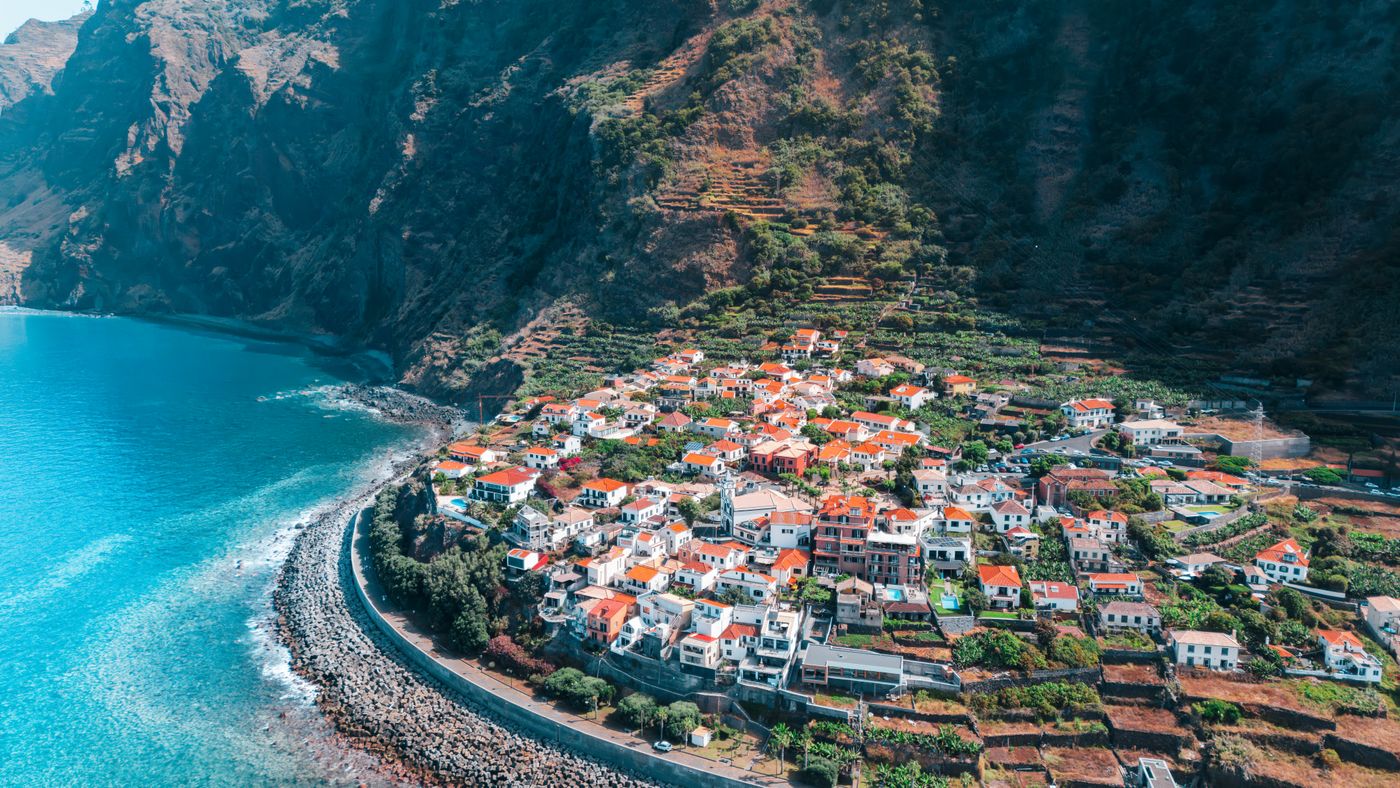
Portugal offers warm southern coastlines, cooler northern cities, inland mountains and Atlantic islands. For someone planning to move to Portugal, those differences matter more than a national promise of sunshine.
Lisbon combines warm, dry summers with relatively mild winters. The Algarve suits people seeking a southern coastal climate. Porto and the northwest offer cooler summers and wetter conditions, while Madeira and the Azores provide two distinct versions of island living.
The best choice depends on the weather you enjoy throughout the year, the landscape you want around you and how those conditions affect your home and daily routine.
Understanding Portugal’s climate
Much of mainland Portugal has a Mediterranean climate influenced by the Atlantic Ocean: summers are generally dry, while more rain falls during the cooler months. Latitude, altitude and distance from the sea create substantial regional differences.
IPMA, Portugal’s national weather service, distinguishes warmer, dry-summer climates from areas with milder summers, particularly across much of the north and western coast. Source: IPMA’s climate classification.
For relocation planning, consider three questions:
- How close is the home to the coast?
- What is its elevation?
- How does the area feel in winter as well as summer?
A coastal city, an inland valley and a mountain village can offer very different conditions within the same broad region.
Climate averages help compare locations, but they describe long-term patterns. They are neither a forecast nor a limit on how hot, cold or wet a particular day can become.
Lisbon: warm summers and mild winters, with cooler nights
The description of Lisbon summers as approximately 25–30°C is reasonable when referring to average daytime highs.
IPMA’s 1991–2020 records for Lisboa/Instituto Geofísico show average daily maximum temperatures of 26.1°C in June, 28.2°C in July and 28.8°C in August—approximately 79–84°F. These figures do not rule out hotter days. Source: IPMA’s Lisbon climate normals.
Winter needs a more precise explanation than “10–15°C.” At the same station, January’s average daily high was 15.1°C, while the average daily low was 8.6°C—approximately 59°F and 47°F respectively.
For someone arriving from a colder American climate, that may sound appealing. It still means planning for cool evenings, wet weather and comfortable indoor heating.
What about 300 sunny days a year?
The “300 sunny days” claim is difficult to use precisely without a source defining what counts as a sunny day. A day with some sunshine is different from a cloudless day.
Use monthly temperature and rainfall records when comparing places to live. They provide a clearer basis for deciding whether the seasons suit you than a headline sunshine count.
When viewing Lisbon homes, inspect shade, ventilation, windows and heating arrangements. A bright apartment should also be comfortable during the hottest afternoons and coolest nights.
The Algarve: a warm southern coast with local differences
The Algarve is a strong candidate if warm summers and relatively mild coastal winters are priorities.
Faro’s 1991–2020 climate normals show average daily highs of 29.4°C in July and 29.2°C in August—about 85°F. January averaged a daytime high of 16.3°C and a night-time low of 8.3°C, approximately 61°F and 47°F. Source: IPMA’s Faro climate normals.
These figures describe Faro’s weather station, rather than every Algarve town or hillside. Compare the particular location you are considering.
Is the Algarve like Southern California?
The comparison can help convey the appeal of dry summers and a coastal lifestyle. It is less useful as a prediction of conditions at a particular address.
Southern California itself includes different coastal and inland climates. Likewise, living on an exposed Algarve coastline is a different experience from living farther inland.
The claim that the Algarve is simply Portugal’s “hottest and driest region” also needs qualification. Inland areas can experience more intense summer heat, and IPMA identifies a small part of the lower Alentejo as having a steppe climate. Source: IPMA’s regional climate classification.
If you dislike extreme heat, investigate summer conditions and the building’s cooling arrangements before choosing an inland home solely for its setting or price.
Porto and the north: cooler coastal summers and wetter conditions
Porto is worth exploring if you prefer milder summer temperatures.
At Porto/Pedras Rubras, IPMA’s 1991–2020 records show average daily highs of 24.3°C in July and 24.8°C in August—approximately 76–77°F. January averaged a high of 14°C and a low of 6.4°C, around 57°F and 44°F. This coastal station is a useful reference, although individual neighbourhoods and inland locations differ. Source: IPMA’s Porto climate normals.
The northwest’s greener landscape comes with greater exposure to rain. However, “the north” should not be treated as one uniform climate. Maritime influence is stronger near the coast, while inland and elevated areas have different seasonal patterns. Source: Portugal’s public broadcaster’s climate explanation.
For a prospective home, check ventilation, moisture, drying space and heating. Visit during wetter weather if possible, especially if your previous experience of the area was a summer holiday.
Inland Portugal and the mountains: stronger seasonal contrasts
Moving away from the coast reduces the Atlantic’s moderating influence. Inland summers can be hot, while winters become colder, particularly at elevation.
Portugal’s official tourism guidance highlights hotter inland summers and colder winters in inland northern and central areas. Source: Visit Portugal’s regional climate guide.
This matters when comparing a rural property with a coastal apartment. The decision includes the building’s heating and cooling needs, road access and how readily you can reach everyday services.
Before committing, ask about year-round access and inspect insulation, shade and heating equipment. Test the location during the season you expect to find most challenging.
Madeira: mild coastal conditions and pronounced microclimates
Madeira can appeal to people seeking relatively small seasonal temperature changes. Its official tourism board describes mild year-round conditions, while emphasising the differences between the coast and higher ground.
Mountain areas can be cooler and mistier when coastal locations are warm and sunny. Source: Madeira Tourism Board’s weather guide.
That makes the exact address particularly important. An island-wide weather description cannot establish the conditions around an elevated house or an exposed slope.
When exploring Madeira, compare:
- Elevation and sun exposure.
- Shelter from wind.
- Conditions around the building.
- Gradients and access roads.
- The journeys you will make regularly.
Spend time at the property itself rather than relying on weather experienced elsewhere on the island.
The Azores: mild, humid and shaped by the Atlantic
The Azores should not be grouped with Madeira as though their climates were interchangeable.
Official Azores tourism information describes moderate temperatures throughout the year, with high humidity and rainfall. Cloud and rain are possible in every season, although July and August generally offer more sunshine and higher temperatures. Source: Visit Azores’ climate guide.
IPMA classifies much of the archipelago as temperate oceanic, with differences between island groups. Source: IPMA’s island climate classification.
The practical question is whether you enjoy a maritime environment that includes damp and changeable weather. If your main reason for moving is dependable dry sunshine, investigate that expectation carefully.
Visit your preferred island, assess the home’s ventilation and moisture control, and establish how its location fits the activities you want to pursue.
Geography should shape your housing search
Climate is experienced through the home you choose.
An exposed terrace, shaded ground-floor apartment and elevated hillside house can feel different even when they share the same local forecast. Use the regional climate to narrow your search, then assess the property.
During viewings, investigate:
- Direct sunlight in different seasons.
- Shade during summer afternoons.
- Ventilation and signs of damp.
- Heating and cooling equipment.
- Window condition and draughts.
- Outdoor access in wet or windy weather.
- Stairs, steep approaches and everyday walking routes.
Ask for recent utility bills where available. A mild outdoor climate does not establish how comfortable—or economical—a particular building will be.
Portugal’s World Heritage landscapes: 17 listed properties
UNESCO currently lists 17 World Heritage properties in Portugal, rather than the 18 stated in the original summary.
They include Porto’s historic centre, the cultural landscape of Sintra, the Alto Douro Wine Region, prehistoric rock art in the Côa Valley and Siega Verde, Madeira’s Laurisilva forest and sites in the Azores. Source: UNESCO’s Portugal World Heritage list.
These places illustrate the country’s geographical and cultural variety. They can help you identify areas to explore, but a rewarding visit is only one part of deciding where to settle.
Consider how easily you can enjoy the landscapes and cultural activities that matter to you while maintaining a practical everyday routine.
Choosing the right part of Portugal
Start with your seasonal preferences. Explore Lisbon for warm summers and relatively mild winters, the Algarve for southern coastal living, and Porto for cooler coastal summers. Consider Madeira for mild conditions with strong local microclimates, or the Azores if their humid Atlantic environment appeals to you.
Then test your shortlist during a less favourable season. Spend time in the neighbourhood, inspect the home’s comfort and make the journeys you would repeat after moving.
If you’re planning to relocate to Portugal, contact our relocation service to discuss the climate, landscape and daily routine you want. Use those priorities to shape a location shortlist and scouting plan before choosing your home.
Sources referenced in this guide
Source: IPMA’s climate classification
Source: IPMA’s Lisbon climate normals
Source: IPMA’s Faro climate normals
Source: IPMA’s regional climate classification
Source: IPMA’s Porto climate normals
Source: Portugal’s public broadcaster’s climate explanation
Source: Visit Portugal’s regional climate guide
Source: Madeira Tourism Board’s weather guide
Source: Visit Azores’ climate guide
Source: IPMA’s island climate classification
Source: UNESCO’s Portugal World Heritage list