Destination Guides
Living in Barcelona: Neighborhoods, Rental Costs and What to Expect
Compare Eixample, Gràcia and Poblenou, understand Barcelona’s rental benchmarks, and plan the practical details of everyday life in the city.
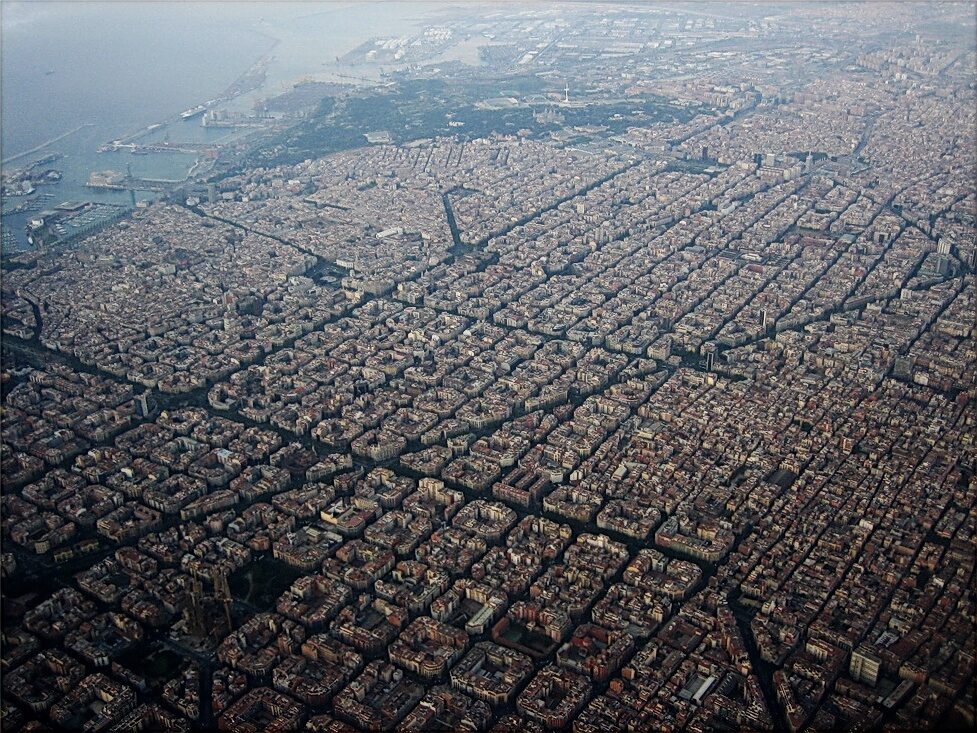
Living in Barcelona offers the possibility of combining city life with time by the sea. For Americans considering a move to Spain, the appeal includes distinctive architecture, an international population and flight connections back to the United States.
But choosing Barcelona is only the beginning. Choosing the right neighborhood—and understanding what your rental budget actually buys—will have a greater effect on everyday life than proximity to the best-known sights.
Eixample, Gràcia and Poblenou are useful places to start your search. Each offers a different setting, so the best choice depends on how you want to spend an ordinary week.
How International Is Barcelona?
Barcelona City Council’s population report puts the share of residents with foreign nationality at 26.6% in 2026. This measures nationality, which is different from being born abroad: someone born outside Spain may subsequently become a Spanish citizen.
That international presence can make Barcelona an appealing starting point for people moving abroad. However, it does not mean that every part of daily life operates in English.
The city’s newcomer guidance identifies Catalan and Spanish as its official languages. Building some ability in Spanish, while learning basic Catalan and understanding its local importance, is a sensible part of preparing to live here.
When considering whether Barcelona suits you, think beyond meeting other Americans. Consider how you would build a routine through local shops, activities and neighborhood relationships.
Where to Live in Barcelona
Eixample: Architecture and a Structured City Layout
Eixample is known for its grid of streets and Modernista architecture, including buildings associated with Gaudí and other prominent Catalan architects. It connects the old city with areas that were once separate towns and villages.
It is a useful starting point if your image of living in Barcelona involves substantial apartment buildings, urban streets and architectural character.
However, “Eixample” is too broad a description to choose a home from. Compare individual addresses rather than assuming every apartment offers the same experience.
During a viewing, check:
- Whether bedrooms face the street or an internal courtyard.
- How much daylight reaches the main rooms.
- Whether there is an elevator and whether it reaches the apartment’s floor.
- Whether you can hear traffic or neighboring apartments.
- How easily you can reach the places you expect to use regularly.
A beautiful façade should be the beginning of your assessment, rather than the deciding factor.
Gràcia: Squares and Neighborhood Identity
Gràcia was formerly an independent town and retains a distinctive identity. Barcelona’s tourism authority describes its smaller streets, public squares and established civic, cultural and artistic life.
It deserves consideration if neighborhood atmosphere matters more to you than living near major visitor attractions.
The practical question is which part of Gràcia suits your routine. A home overlooking a lively square may appeal during an afternoon visit, but you should also assess it when you would normally be resting or sleeping.
Walk the route to groceries, transport and other everyday essentials. If mobility is a consideration, assess the actual walk rather than relying on the apparent distance on a map.
Poblenou: A Coastal Setting and Industrial Heritage
Poblenou combines an older neighborhood core with the transformation of former industrial areas. The wider Sant Martí district includes the 22@ technology area and a redeveloped waterfront, while Rambla del Poblenou retains its own neighborhood focus and café terraces.
It is worth exploring if access to the sea is an important reason for moving to Barcelona.
Check the exact address carefully. Descriptions such as “near the beach” or “in the technology district” do not tell you how the surrounding streets feel or whether the apartment fits your daily needs.
Visit the immediate area, test your likely journeys and consider whether you prefer the older neighborhood streets or a more recently developed setting.
How Much Does It Cost to Rent in Barcelona?
A budget of €1,400–€1,700 per month is a reasonable starting point for an apartment search, but it should not be described as a confirmed minimum rent or a guaranteed price for a particular number of bedrooms.
Idealista’s September 2026 report gives these advertised rental benchmarks:
- Barcelona overall: €20.10 per square meter per month.
- Eixample: €20.70 per square meter.
- Gràcia: €19.90 per square meter.
- Sant Martí, the district containing Poblenou: €20.30 per square meter.
These are market indicators from advertised properties. They are not quotations for individual homes, and the Sant Martí figure is not a Poblenou-specific price.
What Could €1,400–€1,700 Buy?
Applying the district benchmarks to an illustrative 70-square-meter apartment produces approximately:
- €1,449 per month in Eixample.
- €1,393 per month in Gràcia.
- €1,421 per month using the Sant Martí benchmark.
These are calculations from the published rates, not available-property offers. Apartment size also does not establish bedroom count, condition or layout.
The useful conclusion is that €1,400–€1,700 is a defensible planning range to investigate. It cannot establish that a suitable apartment will be available in your preferred neighborhood when you move.
Compare current properties with the same bedroom count, furnishing level and intended rental use before fixing your budget.
Asking Rents and Signed Contracts Are Different Measures
An advertised rental figure tells you what properties are being marketed for. Registered-contract data describes agreements that have actually been signed.
Barcelona City Council publishes housing information based on registered rental deposits, while Idealista reports on advertised properties. These sources measure different parts of the market and should not be treated as interchangeable.
For someone relocating, the most useful comparison is between homes currently available that meet their requirements. A citywide average provides context, but cannot substitute for that search.
Build a Budget Beyond the Monthly Rent
Your rental budget and your total living budget are separate decisions.
Before committing to an apartment, request a written breakdown of what the monthly payment includes. Budget separately for:
- Electricity, water, gas where applicable, and internet.
- Groceries and household spending.
- Transport.
- Healthcare or insurance appropriate to your circumstances.
- Any furniture or equipment you need.
- Travel back to the United States.
- Initial accommodation and moving expenses.
Also ask for the total amount payable before receiving the keys, including deposits and any other proposed charges. Establish what each payment covers and whether it is refundable.
Avoid building your financial plan around the assumption that every expense will be lower than in the United States. Use the apartment and lifestyle you actually want as the basis for the comparison.
Inspect the Home as Carefully as the Neighborhood
An apartment can be attractive in photographs and still be difficult to live in.
For each serious option, check ventilation, cooling, heating, storage and the condition of appliances. Ask how repairs are reported and who handles them.
If you expect to work from home, confirm the internet arrangements and assess the room where you would actually work. If you are retiring, consider whether the home would remain comfortable if stairs or longer walks became more difficult.
Visit at different times where possible. Pay particular attention to noise in the bedroom, access to the building and the route home after dark.
These checks help turn a broad preference—“I want to live in Gràcia,” for example—into a decision about a specific home.
Understand the Rental Arrangement Before Signing
Before paying or signing, establish whether the accommodation is being offered for your main home or for a genuinely temporary stay.
Barcelona’s municipal housing reporting notes that new regulation governing seasonal rentals took effect in January 2026. Older online explanations may therefore be out of date.
Ask for clear answers about:
- The intended use and duration of the agreement.
- The full monthly payment.
- Deposits and additional charges.
- Renewal and early-departure conditions.
- Repair responsibilities.
- The documents required from you.
Have the agreement reviewed by an appropriately qualified local professional if its terms are unclear. A listing description alone is not enough to establish what you are agreeing to.
Can You Fly Directly Between Barcelona and the United States?
Barcelona–El Prat has direct US connections. Airport operator Aena’s destination directory includes US airports such as Atlanta and Dallas–Fort Worth. Its route information is based on airline schedules and can change.
For Americans planning regular visits home, check the particular route you need and the months in which you expect to travel. A direct connection somewhere in the United States may be less useful than a convenient connection to your own family or home base.
Include those journeys in your annual budget rather than treating them as occasional extras.
Is Living in Barcelona Right for You?
Barcelona is worth considering if you want an international city, architectural character and access to a coastal setting. The decision becomes clearer when you compare the neighborhoods against your actual routine.
Start with Eixample if its urban layout and architecture appeal to you. Explore Gràcia if you value squares and neighborhood identity. Investigate Poblenou if the waterfront is central to your plans.
Then test the choice against available homes, the full cost of living and the journeys you would make every week. The best place to live in Barcelona is the one that works on an ordinary day as well as it does during a visit.
Start Planning Your Move to Barcelona
If you are considering relocating to Barcelona, Vantage Point Europe can help connect you with independent service providers relevant to your move. Start by sharing your preferred neighborhoods, intended moving date and housing budget so that your next steps reflect the life you want to build.
