Destination Guides
Lifestyle, Food and Leisure in Portugal: What Everyday Life Can Offer
Explore Portuguese markets, food, music and outdoor activities as part of an ordinary week, not just a holiday itinerary.
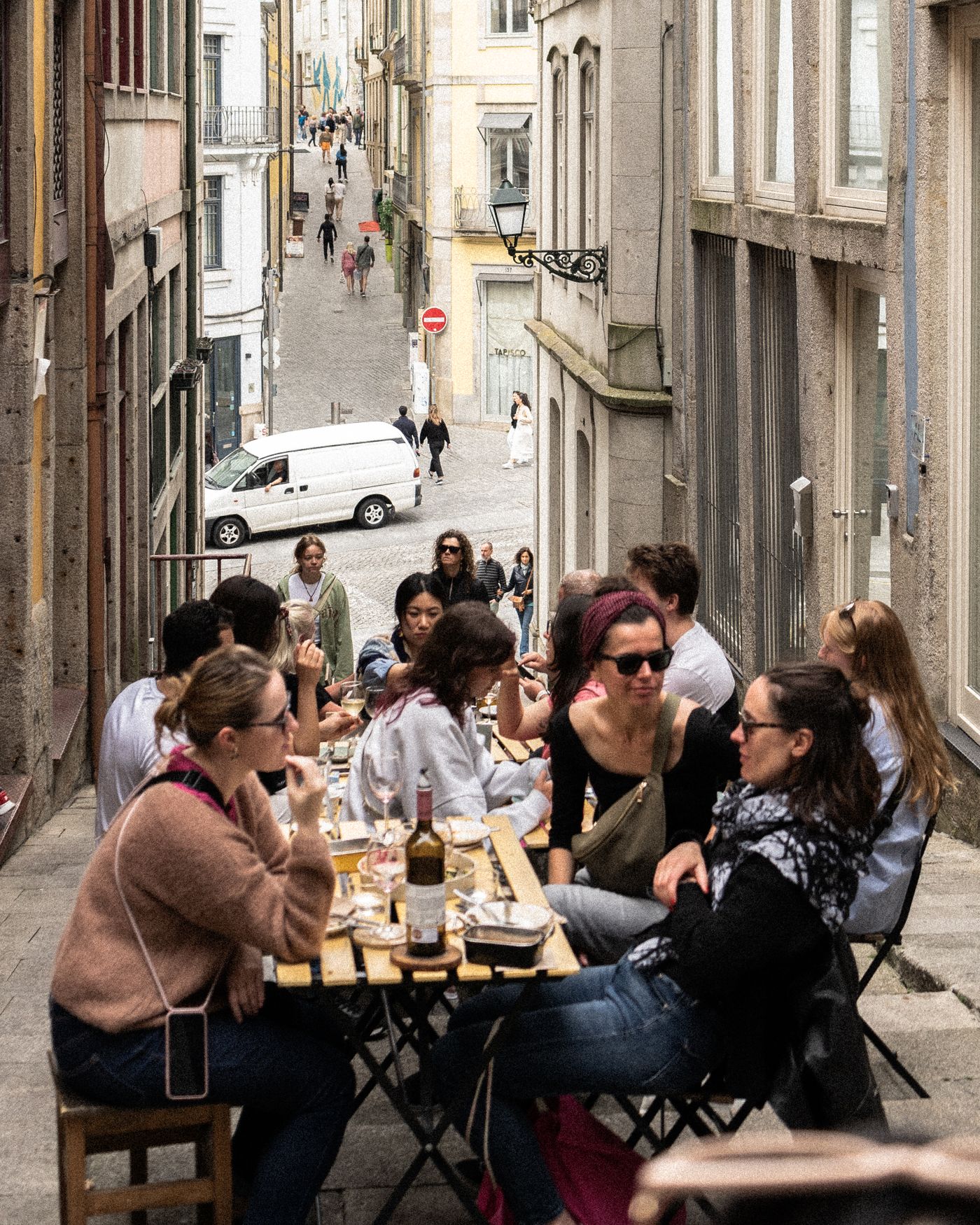
Portugal’s appeal extends beyond its climate. Food markets, neighbourhood cafés, live music, coastal activities and cultural destinations can all become part of an ordinary week.
For Americans considering a move, the important question is how easily those experiences fit into daily life. A nearby market you use regularly may contribute more to your enjoyment than a famous attraction several hours away.
Choose a location around the activities you want to repeat, the transport you will use and the amount you can comfortably spend. That makes it easier to turn an appealing holiday destination into a satisfying home.
Portuguese food: explore beyond the familiar favourites
Seafood, pastéis de nata and Portuguese wines provide an accessible introduction to the country’s food culture. Official tourism guidance highlights the importance of fish and seafood, alongside regional cooking and wine. Source: Visit Portugal’s gastronomy guide.
Once you begin exploring possible places to live, investigate the food options around the actual neighbourhood. Look for shops, markets and restaurants that suit your preferences, dietary needs and budget.
A useful scouting exercise is to buy ingredients for meals you normally cook. It gives you a more realistic picture of everyday life than judging affordability from a few café visits.
Is eating out cheaper than in the US?
Broad comparisons support the prospect of savings, but the amount depends on what and where you eat.
Numbeo’s late-October 2026 country comparison listed an inexpensive restaurant meal at approximately €12 in Portugal. A three-course meal for two at a mid-range restaurant, excluding drinks, was approximately €45. The comparison placed these examples around 33% and 37% below their US equivalents respectively. These are crowdsourced national estimates, rather than prices guaranteed at individual restaurants. Source: Numbeo’s Portugal–US comparison.
Use local menus to refine your budget. Include drinks and the frequency of your outings rather than assuming that lower prices automatically mean lower monthly spending.
Make markets part of your neighbourhood search
Visit the places where you expect to shop and check their opening hours. Consider how you will carry groceries home and whether you can make the journey comfortably throughout the year.
For example, Lisbon City Council identifies Mercado de Campo de Ourique as an established centre of neighbourhood activity. That makes it a useful place to investigate when exploring the surrounding area. Source: Lisbon City Council’s market information.
Treat a market as one part of the local routine. Compare it with the other shops and services you will need.
Music and culture: find experiences you can return to
Fado was inscribed on UNESCO’s Representative List of the Intangible Cultural Heritage of Humanity in 2011. This recognises a living musical tradition, rather than a physical World Heritage site. Source: UNESCO’s Fado listing.
When choosing a performance, check the format, start time and price. Establish whether the booking includes dinner, requires a minimum spend or covers the performance alone.
For a longer stay, explore the cultural calendar near your prospective home: concerts, exhibitions, cinema, community events and classes. Choose activities you would enjoy attending regularly, including some that create opportunities to meet people.
Portugal has 17 World Heritage properties
UNESCO currently lists 17 World Heritage properties in Portugal, rather than the 18 stated in the original summary.
They include Porto’s historic centre, the cultural landscape of Sintra, the Alto Douro Wine Region, the University of Coimbra, Madeira’s Laurisilva forest and prehistoric rock art in the Côa Valley and Siega Verde. Source: UNESCO’s Portugal list.
Their geographical spread provides plenty of possibilities for exploring. When selecting a home, consider which landscapes and cultural destinations you want within easy reach, alongside everyday amenities.
Outdoor life: choose your base around your preferred activity
Surfing, walking, cycling and golf offer different ways to spend time outdoors. Access, equipment and transport requirements vary, so begin with the activity you are most likely to pursue consistently.
For surfing, investigate suitable instruction, equipment and the journey to the beach. For walking, check route difficulty, gradients and current access information. For cycling, assess the actual roads or paths you would use rather than assuming a route is comfortable because its distance is short.
The Algarve has established golf and cycling opportunities, including routes documented in the region’s official cycling guide. Source: Algarve cycling guide.
If golf is central to your plans, obtain current course prices and membership terms. For any activity, add equipment, lessons and transport to your leisure budget before choosing a location around it.
Check whether the activity works throughout the year
During a scouting stay, ask clubs and organisers about seasonal schedules, booking requirements and beginner participation.
Also test the journey from prospective housing. An activity is easier to maintain when reaching it fits naturally into your week.
A home near the coast does not necessarily provide straightforward beach access, and an attractive countryside setting does not establish that there are suitable walking routes from the doorstep. Investigate the specific location.
Travelling around Portugal: check the complete journey
Rail and coach services can support trips between destinations, but “excellent transport” is too broad to describe every town and route.
CP operates Alfa Pendular and Intercidades services linking Lisbon and Porto. However, the proposed journey time of two hours and 45 minutes should not be treated as universal: stations, service patterns and engineering works affect the timetable. Check the service for your travel date. Source: CP’s official timetables.
Include travel to and from the stations when deciding whether a trip is practical. A short train journey may still involve substantial time reaching your final destination.
For life without a car, test the routes you expect to use regularly, including evening and weekend return options.
Weekend trips to Spain and elsewhere in Europe
Spain can be a practical destination for a short trip, but convenience depends on your starting point and where you want to go. Compare the complete outward and return journeys before assuming a destination works for a weekend.
For flights, assess the total cost, including baggage and airport transfers. Check the schedule for your intended dates rather than relying on an advertised starting fare.
Keep a separate travel allowance if frequent trips are part of your reason for moving. They are discretionary expenses beyond the cost of maintaining everyday life in Portugal.
Safety: understand what Portugal’s ranking measures
Portugal ranked seventh in the 2026 Global Peace Index. That supports its strong position in an international assessment of peacefulness. Source: Institute for Economics & Peace’s 2026 rankings.
The index covers broader conditions than personal safety alone. It should not be interpreted as a guarantee about every neighbourhood, activity or situation.
When exploring a place to live, assess your normal walking routes, transport options and surroundings at the hours you expect to use them. Make those observations part of the housing decision.
Build the lifestyle you want into an ordinary week
Before choosing where to settle, describe a realistic week: where you will shop, how often you will eat out, which activity you will attend and how you will get there.
Try that routine during a scouting stay. Include time at home and ordinary errands alongside restaurants and sightseeing.
If you’re planning to move to Portugal, contact our relocation service to discuss the food, cultural activities and leisure interests you want within reach. Use those priorities to narrow your location search and plan a move around the life you intend to lead.
Sources referenced in this guide
Source: Visit Portugal’s gastronomy guide
Source: Numbeo’s Portugal–US comparison
Source: Lisbon City Council’s market information
Source: UNESCO’s Portugal list
Source: CP’s official timetables
Source: Institute for Economics & Peace’s 2026 rankings