Destination Guides
Lifestyle in Italy: Food, Culture and Leisure for Americans Moving Abroad
Explore regional food, cafés, markets, art, coast and mountains as part of an ordinary weekly routine rather than a holiday checklist.
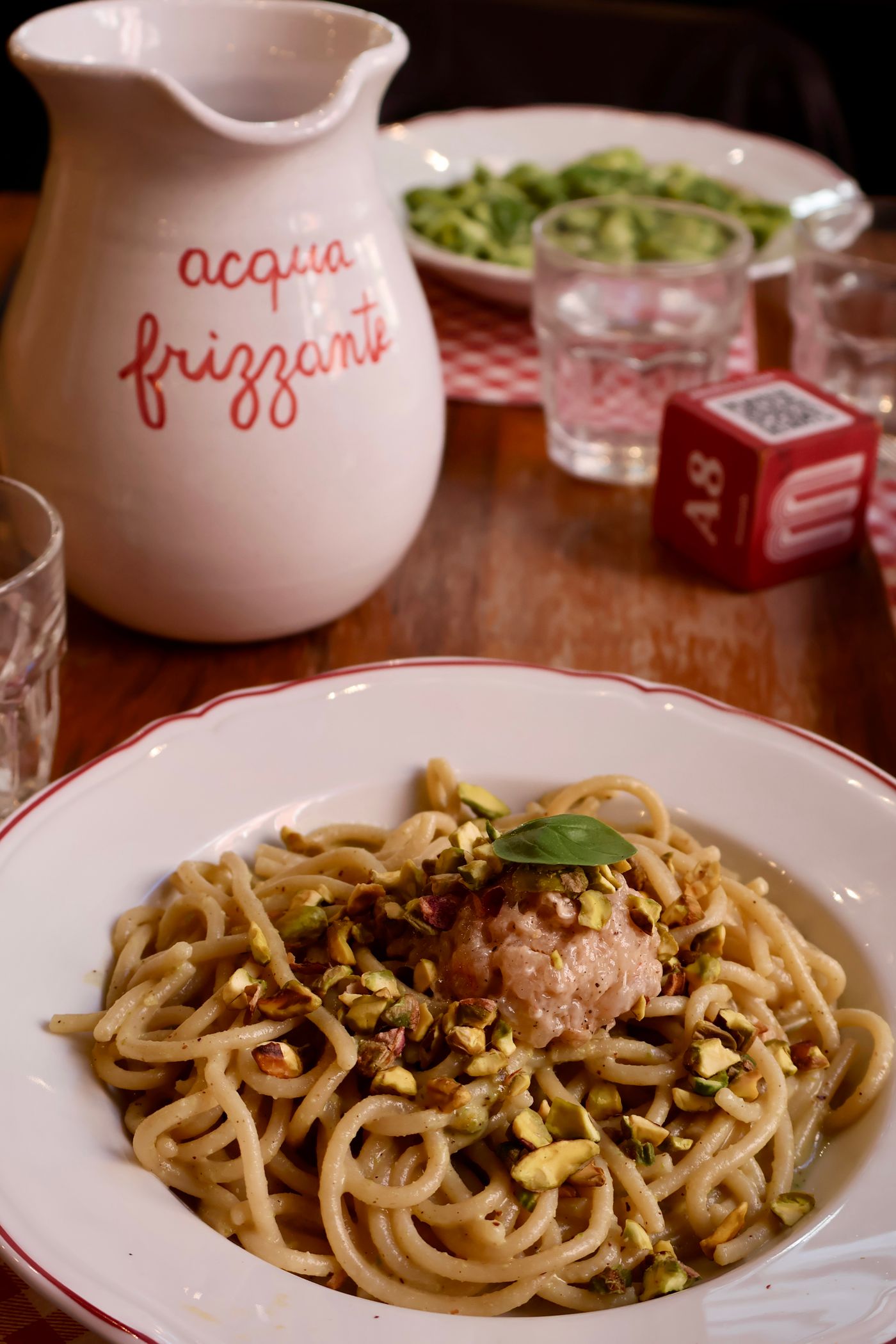
For many Americans, the appeal of living in Italy lies as much in the everyday moments as in its famous landmarks: a morning coffee, a visit to a local market, or time spent over a meal with friends.
Italy also offers remarkable variety. A person living in Bologna can explore a different food tradition from someone in Naples, Venice or Sicily. Rome and Florence place art and history close at hand, while the coast and mountains offer opportunities to spend leisure time outdoors.
The experience will depend on where you choose to live and the routine you create. Understanding what appeals to you about Italian life can help you find a place that feels right beyond your first visit.
What is everyday life like in Italy?
Everyday life in Italy can include many of the same responsibilities you have at home—work, shopping, appointments and household tasks—but the setting and rhythm may feel different.
Food and social occasions are important to many people. A coffee at a neighborhood café, an early-evening aperitivo or a longer meal with family can be part of the way people make time for one another.
These traditions do not mean that everyone in Italy follows the same schedule. Life varies by city, region, occupation and family. A busy professional in Milan may have a different routine from a retiree in a small Tuscan town.
If you are considering moving to Italy, spend time observing the ordinary rhythm of a place: when shops are open, how people get around and where you might enjoy spending time during a normal week.
Discovering Italy’s regional food
Italian food is not a single, uniform cuisine. Regional traditions are one of the pleasures of living in the country, and exploring them can help you understand the place you have chosen to call home.
A few examples include:
- Bologna: A city closely associated with rich pasta and meat-based dishes, including ragù alla Bolognese.
- Naples: The home of Neapolitan pizza, with its distinctive soft crust.
- Venice: A place to explore seafood traditions shaped by its relationship with the lagoon and sea.
- Sicily: An island known for a variety of pastries and sweets as well as its regional savory dishes.
These are starting points, not a complete picture of each region. Italy’s food traditions vary from town to town, and local specialties often reflect the ingredients and history of the surrounding area.
Is eating in Italy affordable?
Food can be enjoyed at a range of price points, but what feels affordable depends on your budget, the city and where you choose to eat.
A meal in a busy visitor area may cost more than you expected, while cooking with ingredients from local shops or markets may give you more control over your spending. Compare prices where you intend to live rather than assuming that every restaurant or market will be inexpensive.
If food is an important part of why you want to move to Italy, make it part of your location research. Visit a neighborhood market, look at everyday grocery prices and try places where you could imagine eating regularly.
Coffee culture in Italy
A visit to a café can become a simple part of your daily routine. For some people, coffee is a quick stop; for others, it is a chance to meet someone or spend a few minutes in a familiar neighborhood setting.
Customs and breakfast choices vary across Italy, so there is no need to worry about mastering a single set of rules before you arrive. Start by observing what is available, ordering what you enjoy and learning the words you need to communicate comfortably.
Returning to the same café can also give you an opportunity to practice Italian in a low-pressure setting. A greeting and a familiar order are a useful beginning.
What is aperitivo?
Aperitivo is an early-evening occasion when people gather for a drink, often accompanied by something to eat, before dinner.
It can be a relaxed way to meet friends or spend time with colleagues. What is served and what is included in the price varies by establishment, so check the menu if you are unsure.
Aperitivo does not have to involve alcohol. The social part is the opportunity to pause, talk and enjoy the company.
Markets and shopping for everyday food
Local markets can be a way to explore the food available in your area and become familiar with the neighborhood. They also offer opportunities to practice useful Italian words for quantities, ingredients and prices.
Take time to compare what is available at a market with nearby grocery stores. Ask when the market operates, bring a shopping bag and check prices before making a purchase.
You do not need to change the way you cook overnight. You might begin by choosing one local ingredient or dish to try and gradually build new habits around the foods you enjoy.
Shared meals and making connections
For many families and friends in Italy, meals are an opportunity to spend time together. A Sunday family lunch is one example of how food and relationships can overlap, although traditions differ from household to household.
For someone relocating to Italy, shared activities can also provide a natural way to meet people. A cooking class, community event or invitation to meet for coffee may be a comfortable starting point.
Building a social circle takes time. Learning some Italian, returning to places you enjoy and showing interest in local traditions can help you feel more connected. At the same time, an English-speaking community can offer valuable support while you are settling in.
Art, history and culture as part of living in Italy
Italy’s cultural attractions are not limited to a single city. Depending on where you live, you may be within reach of major museums, archaeological sites, historic buildings or smaller local collections.
Some well-known examples include:
- The Colosseum and the Vatican in Rome.
- The Uffizi in Florence.
- The archaeological site of Pompeii.
- Historic towns and architecture throughout the country.
One advantage of living in Italy is that you may be able to explore these places at a different pace from a short-term visitor. Rather than trying to see everything in one trip, you can plan visits around your interests and return to places you particularly enjoy.
When choosing a home, consider the cultural activities you would realistically use. Living near a museum, historic center or train station may be more valuable to you than simply being in a famous region.
Leisure in Italy: Mountains, coast and countryside
Italy’s geography gives residents a wide choice of leisure settings. The Dolomites offer mountain scenery, while the Amalfi Coast, Cinque Terre and Sicily’s coastline provide different ways to experience the sea.
Your preferred activities may help narrow your choice of location. Someone who wants regular access to the coast may make a different decision from someone who enjoys mountain walks or visiting towns in the countryside.
Look at travel time from the specific home you are considering. A region may contain a destination you love, but that does not necessarily mean it will be close enough for an easy day trip.
Season matters, too. Before choosing a coastal or mountain location, visit at more than one time of year if possible and consider how the weather and local activity change.
Exploring Italy and neighboring countries by train
Italy’s rail network makes many trips between major cities possible without a car. High-speed and intercity services connect a number of destinations, although the best route and journey time depend on where you start and where you want to go.
There are also international rail connections, including services between Italy and Switzerland. Trips to France, Switzerland or Croatia may be possible by train or a combination of transport, but they are not all straightforward day trips from every Italian city. Some journeys require changes or an overnight stay.
If travel is a priority, check the routes from your potential home before deciding where to settle. Being near a station with useful connections may make a meaningful difference to your leisure time.
How to find the Italian lifestyle that suits you
The lifestyle you enjoy in Italy will depend less on a perfect idea of the country and more on how a particular place fits your daily life.
When comparing destinations, ask yourself:
- Do I prefer a busy city, a smaller town, the coast or the countryside?
- Would I like to walk to cafés, shops and cultural activities?
- How important is access to an international community?
- What food and leisure activities would I enjoy regularly?
- Would I need a car, or are useful train and local transport connections nearby?
- Does the area appeal to me outside the main visitor season?
Spend time in a prospective location as you would if you lived there. Shop for groceries, take a local journey, visit a café and explore the area during the week. Those ordinary experiences can help you decide whether the place suits the life you want.
If you’re planning a move to Italy and want help exploring your relocation options, contact Vantage Point Europe to discuss your plans and be connected with an appropriate independent provider.