Relocation
Learning French and Settling Into Life in France: A Guide for Americans
Build everyday French, understand permit-specific language and civics requirements, and develop local friendships and practical independence.
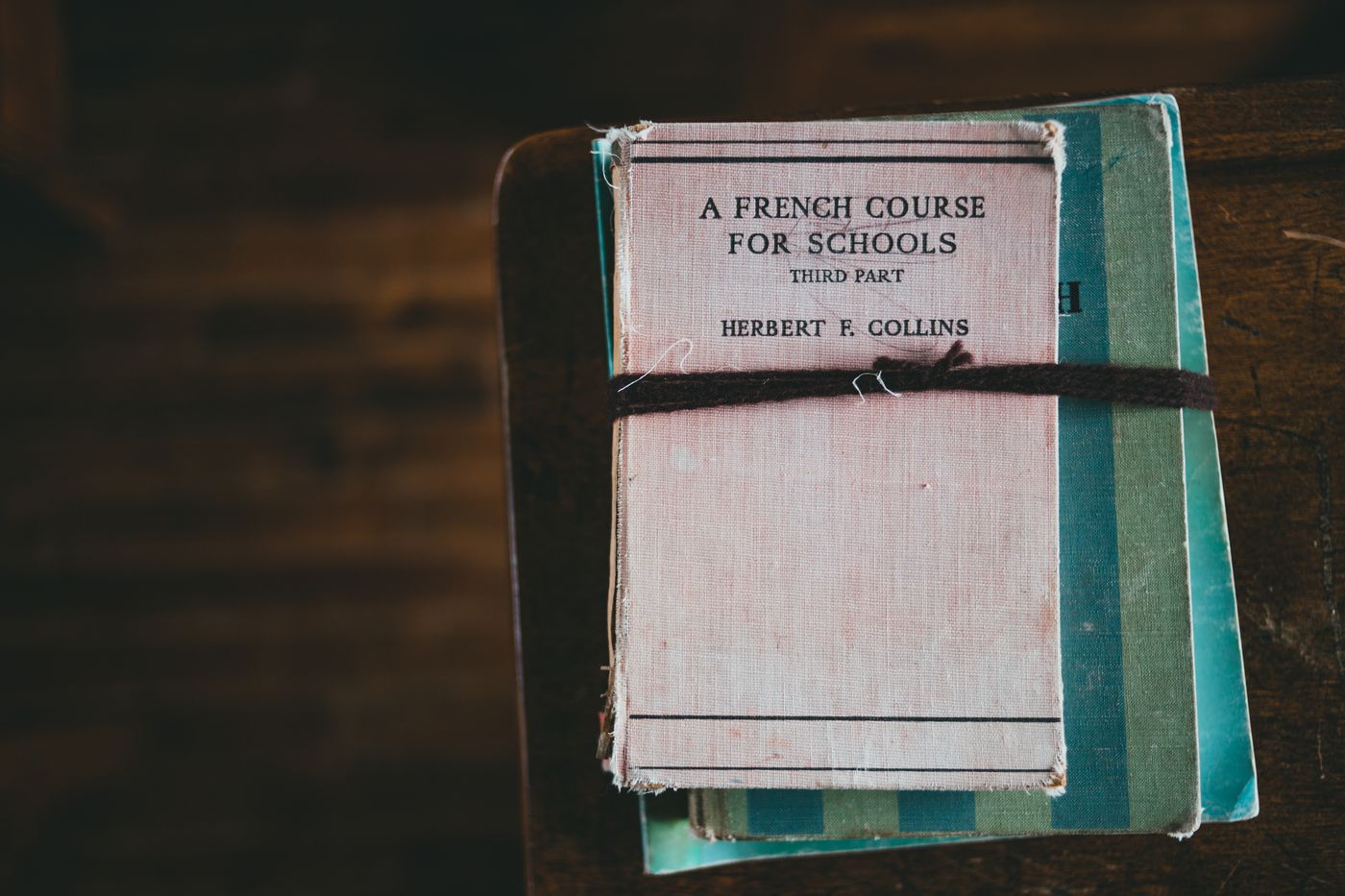
You do not need to speak perfect French before moving to France, but learning the language can make daily life easier and more rewarding. It can help you handle appointments, understand paperwork, meet neighbors and feel more at home in your community.
English may be easier to find in Paris and major tourist areas, but it should not be assumed everywhere. Even in a large city, knowing some French can make a difference when dealing with everyday matters.
It is also worth checking whether your future residence plans involve a formal language requirement. Rules introduced in 2026 apply to certain first applications for residence cards, but they do not mean that everyone renewing a French permit must pass the same test.
Do You Need to Speak French to Live in France?
It is possible to arrive in France with limited French and continue learning after you move. Many Americans do. But the less French you know, the more support you may need for tasks that go beyond a short tourist visit.
Some situations where French is particularly useful include:
- Making medical and other appointments
- Speaking with landlords, neighbors and tradespeople
- Understanding letters and administrative forms
- Asking questions at a bank or local office
- Shopping and using local services
- Joining activities and building friendships
Outside Paris and heavily visited areas, you may find fewer people who are comfortable conducting these conversations in English. Even where English is available, learning French gives you more independence and a wider choice of people and services.
How Much French Should You Learn Before Moving?
There is no single answer. Your starting point depends on where you plan to live, how much support you will have and what you want to do once you arrive.
A useful first goal is to become comfortable with basic conversations rather than waiting until you can speak perfectly. Practice introducing yourself, asking for help, understanding prices and explaining that you are still learning.
As your move gets closer, focus on the situations you expect to encounter. Someone renting in a city may want to practice different vocabulary from someone buying a rural home or arranging regular medical appointments.
Learning to understand and respond to everyday questions can reduce the stress of your first few months. It also gives you a foundation to build on once you are hearing French around you every day.
Do You Need to Pass a French Language Test for Residency?
From January 1, 2026, certain non-European applicants seeking their first French multi-year residence card or first resident card must demonstrate a specified level of French.
The general levels are:
- A2 for a first carte de séjour pluriannuelle, or multi-year residence card, where the requirement applies.
- B1 for a first carte de résident, or resident card, where the requirement applies.
Not every card category is covered, and exceptions apply. The French government’s guidance also describes age-related exceptions for these residence-card language requirements. A recognized diploma, professional certification or accepted language certification may be used as proof in the circumstances described by the authorities.
Does This Apply to Every Renewal?
No. The 2026 rules should not be summarized as “all residency renewals require a French test.”
For example, the temporary visiteur residence card is a different permit from a multi-year residence card or a resident card. A person applying for a first multi-year or resident card may be doing so after holding another permit, but that does not make the A2 or B1 requirement a universal condition for renewing every type of permit.
Check the requirements for the specific permit you hold and the one you intend to apply for next. The French government’s [guide to proving your French language level](https://www.service-public.gouv.fr/particuliers/vosdroits/F34501) explains the covered cards, accepted evidence and exceptions.
What Do A2 and B1 Mean?
These levels come from the Common European Framework of Reference for Languages, often called the CEFR.
At A2, a learner can generally understand and use common expressions related to familiar, everyday situations and exchange simple information.
At B1, a learner can generally manage more independently in familiar situations and communicate about experiences, plans and everyday subjects.
The official requirement concerns demonstrating the required level through accepted evidence. A course completion certificate alone should not be assumed to meet the requirement; check what documentation is accepted for your application.
Is There Also a Civics Exam?
Certain first applications for multi-year and resident cards also require a separate civics exam. The French immigration authority says that the exam is not required when renewing an existing multi-year residence card or resident card. Check the rules and exceptions for your particular application.
If you may eventually apply for French citizenship, check those requirements separately. The government currently specifies a B2 French level for relevant nationality applications, subject to the applicable rules and exceptions.
When Should You Start Learning French?
If you know you want to move to France, start before you leave the United States. Early preparation gives you time to build confidence and, if a formal requirement applies to your plans, to identify an accepted test or qualification.
You do not have to study for hours every day. A regular routine that combines listening, speaking, reading and writing is more useful than learning a long list of words that you never practice using.
Before choosing a class, consider:
- Your current level
- Whether you want group lessons or individual tuition
- How often you can realistically study
- Whether you need conversational French, exam preparation or both
- Whether you prefer online or in-person lessons
If you have a future application in mind, work backward from its expected date. Allow time to study, check test availability and obtain the required evidence.
Where Can Americans Learn French Before Moving?
The Alliance Française is one option for people preparing to move. Its network offers French-language courses in many countries, including the United States and France. Courses and formats vary by location, so check with your nearest center about schedules, levels and availability.
You can also consider a private tutor, community class or online course. The best choice is one that gives you opportunities to practice the French you will actually use.
If you need a recognized language qualification for a residence application, confirm separately whether the course prepares you for an accepted test and where that test can be taken.
What Should You Practice First?
Start with the situations most likely to arise during your first weeks in France.
Greetings and Polite Introductions
Practice greeting someone, introducing yourself and explaining that you are learning French. Simple expressions such as bonjour and merci are useful starting points.
You can also learn how to ask someone to speak more slowly or repeat what they have said. These phrases help you stay in a conversation even when you do not understand everything.
Appointments and Everyday Services
Practice explaining what you need, giving your contact details and understanding dates and times. These skills can help when arranging appointments or speaking with a landlord or service provider.
For important medical, legal or financial matters, make sure you fully understand the information being discussed. An interpreter or qualified professional who works in English may be helpful where misunderstandings would have serious consequences.
Reading Letters and Documents
Daily life involves written French as well as conversation. Practice recognizing common information such as names, addresses, dates, payment amounts and deadlines.
Translation tools can help you understand a document, but check important terms with a qualified person before signing an agreement or acting on legal or financial instructions.
Understanding French Social Customs
Learning a language also means learning how people use it in social situations. Customs vary between individuals, regions and generations, but a few habits are helpful to keep in mind.
Begin With a Greeting
When entering a small shop, approaching a counter or starting a conversation, a greeting is a courteous way to begin. Using bonjour during the day and bonsoir in the evening can help establish a friendly tone.
Allow for Formality
Some interactions may feel more formal than Americans are used to, especially when meeting someone for the first time or speaking with a professional. Pay attention to how the other person addresses you and be comfortable beginning politely.
In French, vous is the formal or plural form of “you,” while tu is informal. A teacher can help you understand when each is appropriate.
Respect People’s Privacy
Friendships can take time to develop. People differ everywhere, so avoid assuming that a reserved first conversation means someone is unfriendly. Give relationships room to grow through repeated, comfortable contact.
Notice Local Routines
Meals, working hours and social routines may differ from those you are used to. Lunch can be an important part of the day, although schedules vary by workplace, business and household. Check opening hours rather than assuming every shop or office follows the same routine.
How Can Americans Integrate Into a French Community?
Integration is a gradual process. Improving your French can make practical tasks easier, but it can also create more opportunities to participate in local life.
Consider activities that fit your interests:
- Take a French class where you can meet other learners.
- Join a local club or activity.
- Visit neighborhood shops and markets regularly.
- Attend local events.
- Practice short conversations when the opportunity arises.
You do not have to avoid English-speaking friendships. They can provide valuable support during a move. At the same time, making room for French-speaking activities can help you become more familiar with the community around you.
What If You Feel Nervous About Speaking French?
Feeling hesitant is normal, especially when you are worried about making mistakes. Start with short, manageable interactions and give yourself permission to ask for repetition.
You might prepare a few sentences before a phone call or write down the questions you need to ask at an appointment. Over time, familiar situations become easier, and each conversation gives you something to practice next time.
Progress will not always be steady. Some days you may understand much more than others. The aim is to keep using what you know while gradually expanding it.
Planning Your Move to France
Learning French can help you navigate everyday life with more confidence and become part of your new community. Start early, choose a way of studying that suits you and check any formal language requirements that apply to your own residence plans.
If you’re preparing to move to France and would like help exploring language-learning or relocation support, contact Vantage Point Europe to discuss your plans and possible introductions to independent providers.