Destination Guides
Italy’s Climate and Geography: Where to Find Mountains, Coast and Year-Round Living
Compare southern coasts, Rome, Tuscany and the Alps against seasonal weather, home comfort, transport and the realities of living there throughout the year.
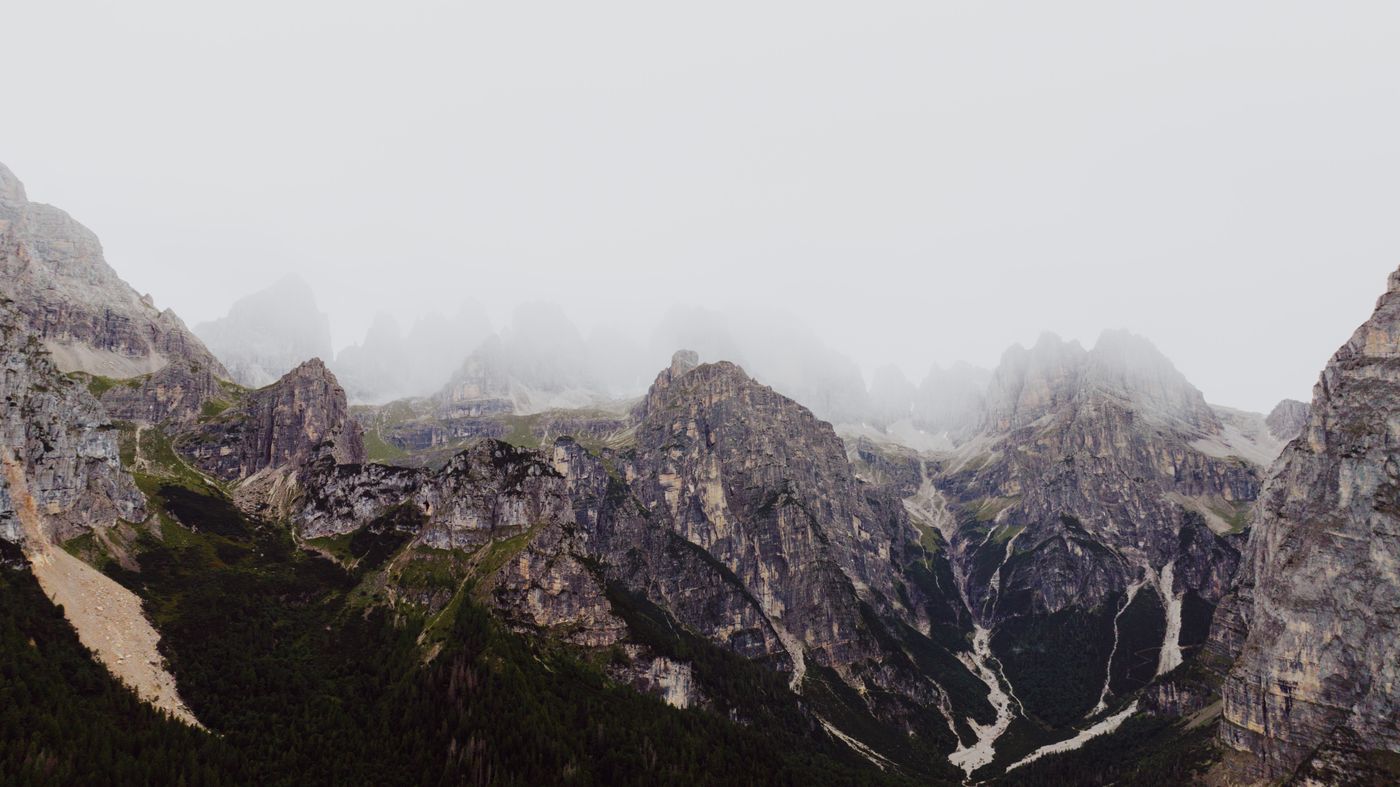
Italy offers far more variety in climate and scenery than its Mediterranean reputation might suggest. You can choose between a warm southern coastline, the hills of Tuscany, a major city such as Rome, or a northern area within reach of the Alps.
For Americans considering a move to Italy, that variety is one of the country’s attractions—but it also makes location an important decision. A place that is beautiful during a spring vacation may feel very different in the heat of August or the quiet of winter.
What is the climate like in Italy?
Italy does not have one uniform climate. Its long peninsula, islands, mountain ranges and changing elevations create significant differences between regions—and sometimes between places within the same region.
Broadly, coastal areas in the south, including parts of Sicily and Puglia, experience hot summers and relatively mild winters. Farther north, winters can be colder, particularly in the Alpine areas, where snow makes winter sports possible.
Those descriptions are starting points rather than guarantees. A coastal town, an inland city and a mountain village can experience different temperatures and weather even when they are in the same region. When comparing places to live, look at the conditions in the specific town and at the elevation of the property.
Living with the seasons in southern Italy
Sicily and Puglia are natural places to investigate if you are drawn to Mediterranean weather and life near the sea. Hot summers and milder winters may appeal to people who enjoy spending time outdoors throughout much of the year.
The summer heat is an important practical consideration, though. When viewing a home, ask how it stays cool, whether it has air conditioning and what its energy costs are likely to be. Shade, ventilation and the direction a property faces can affect how comfortable it feels.
Also consider the difference between visiting a coastal town in summer and living there year-round. Before choosing a home, explore the area in another season and check which shops, services and transport options you would rely on.
What is the weather like in Rome?
Rome has hot summers and generally mild winters, although winter nights can feel considerably cooler than daytime descriptions suggest.
Climate averages for Rome’s Ciampino weather station show average daily highs of approximately 31°C to 32°C—around 88°F to 89°F—in July and August. Temperatures can rise above those averages during hotter periods. Summers are relatively dry compared with the wetter months later in the year.
In January, the same climate data shows an average daytime high of about 12°C, or 54°F. Winter nights are colder: average lows are around 3°C to 4°C, or approximately 37°F to 39°F. These are long-term averages, and conditions vary from day to day.
If you are considering an apartment in Rome, think about both seasons. Ask about summer cooling as well as winter heating, insulation and utility costs.
Northern Italy and the Alps
Northern Italy offers access to mountains and winter sports, but it would be misleading to describe the whole north as having an Alpine climate. Conditions in a large city or lowland area differ from those in a mountain village.
The Alps and Dolomites may appeal to people who enjoy skiing and mountain scenery. If you are thinking about living in or near the mountains, consider how winter weather could affect driving, heating costs and access to services.
A property that is convenient in summer may require different planning when temperatures fall or snow is present. Check the route to the nearest town, transport options and the home’s heating arrangements before committing.
Tuscany’s hills and countryside
Tuscany offers a mix of cities, countryside and hill towns. Its landscape may suit people who want to live among rolling hills while retaining access to cultural destinations such as Florence and Siena.
Climate and practical access will depend on the exact location. A hill-town apartment, a city home and a farmhouse outside a village can feel quite different across the seasons.
If you are considering a countryside property, visit at different times of year if possible. Pay attention to how the house is heated and cooled, how exposed it is to the weather, and how you would reach shops and services in daily life.
Italy’s Adriatic coast
Italy’s eastern coastline runs along the Adriatic Sea and offers another option for people considering coastal living. It stretches through areas with different landscapes and climates, so it is worth comparing individual towns rather than treating the coast as a single destination.
When researching a coastal location, look beyond its busiest season. Consider whether you want to be near the water year-round, how active the town feels outside summer, and whether the local transport and services match your needs.
Italy’s landscapes: From the Dolomites to Sicily
One of the pleasures of living in Italy is the range of landscapes available to explore. The Amalfi Coast, Cinque Terre, the Dolomites and Sicily’s coastline each offer a different experience.
The Amalfi Coast and Cinque Terre combine coastal scenery with historic settlements. The Dolomites offer a mountain landscape, while Sicily’s long coastline gives residents opportunities to explore different parts of the island.
All are appealing destinations, but visiting them and living near them are different decisions. If proximity to one of these areas is a priority, investigate the practicalities of the particular town: housing, travel routes, seasonal activity and the services you would need throughout the year.
How many UNESCO World Heritage Sites does Italy have?
Italy has far more than the 18 sites sometimes cited in older or inaccurate summaries. As of October 2026, UNESCO lists 62 World Heritage properties associated with Italy, including cultural and natural sites. Some properties are shared with other countries.
The list reflects the diversity of Italy’s history and geography. It includes the historic centers of Florence and Rome, the archaeological areas of Pompeii and Herculaneum, the Amalfi Coast, Cinque Terre, Mount Etna and the Dolomites.
For someone relocating to Italy, these sites illustrate how cultural history and landscape can be part of the same trip—or, depending on where you settle, part of the surrounding region.
Getting around Italy by train
Italy’s rail network connects many major cities and can make it possible to explore beyond your home region without driving every time. Trenitalia and Italo both operate services on important routes, including high-speed connections.
As one example, Italo advertises some Rome–Milan journeys at approximately 2 hours and 52 minutes. Journey times vary by service, date and stations, so check the timetable for the trip you plan to take.
Train access can also influence where you choose to live. A home near a well-connected station may make regular city visits easier, while a rural property or smaller town may require a car or another connection to reach the rail network.
Traveling beyond Italy
Italy’s geography also provides opportunities to visit neighboring countries. Trenitalia operates international connections, including services between Italy and Switzerland.
Travel to France, Switzerland or Croatia can be practical, but the best route depends on where you live and where you are going. A trip may involve a train, car, flight or ferry, and some journeys require changes. Check current schedules rather than assuming every destination has a direct rail connection.
How to choose the right Italian climate for you
Start by thinking about the weather you enjoy in ordinary life, not just on vacation.
If warmth and coastal surroundings are your priorities, explore parts of Sicily or Puglia—but make sure you are comfortable with summer heat. If you enjoy distinct seasons and mountain activities, investigate northern areas and the practical demands of winter. If your ideal setting is a hill town or countryside home, compare locations in Tuscany and consider how the property functions in both summer and winter.
Wherever you are considering living, try to:
- Visit at more than one time of year.
- Check typical summer highs and winter nighttime temperatures.
- Ask about heating, cooling and likely utility costs.
- Consider whether you will need a car.
- Check travel times to services and places you expect to visit regularly.
Italy’s range of climates and landscapes gives you choices. The right one is the place whose weather, surroundings and practical connections suit you throughout the year.
If you’re planning a move to Italy and would like help exploring where to settle, contact Vantage Point Europe to discuss your plans and be connected with an appropriate independent provider.