Property
Housing and Neighborhoods in Italy: Where Should Americans Live?
Compare Rome, Tuscany, Sicily and Puglia, understand buying and renting considerations, and check property condition, services and legal commitments before choosing a home.
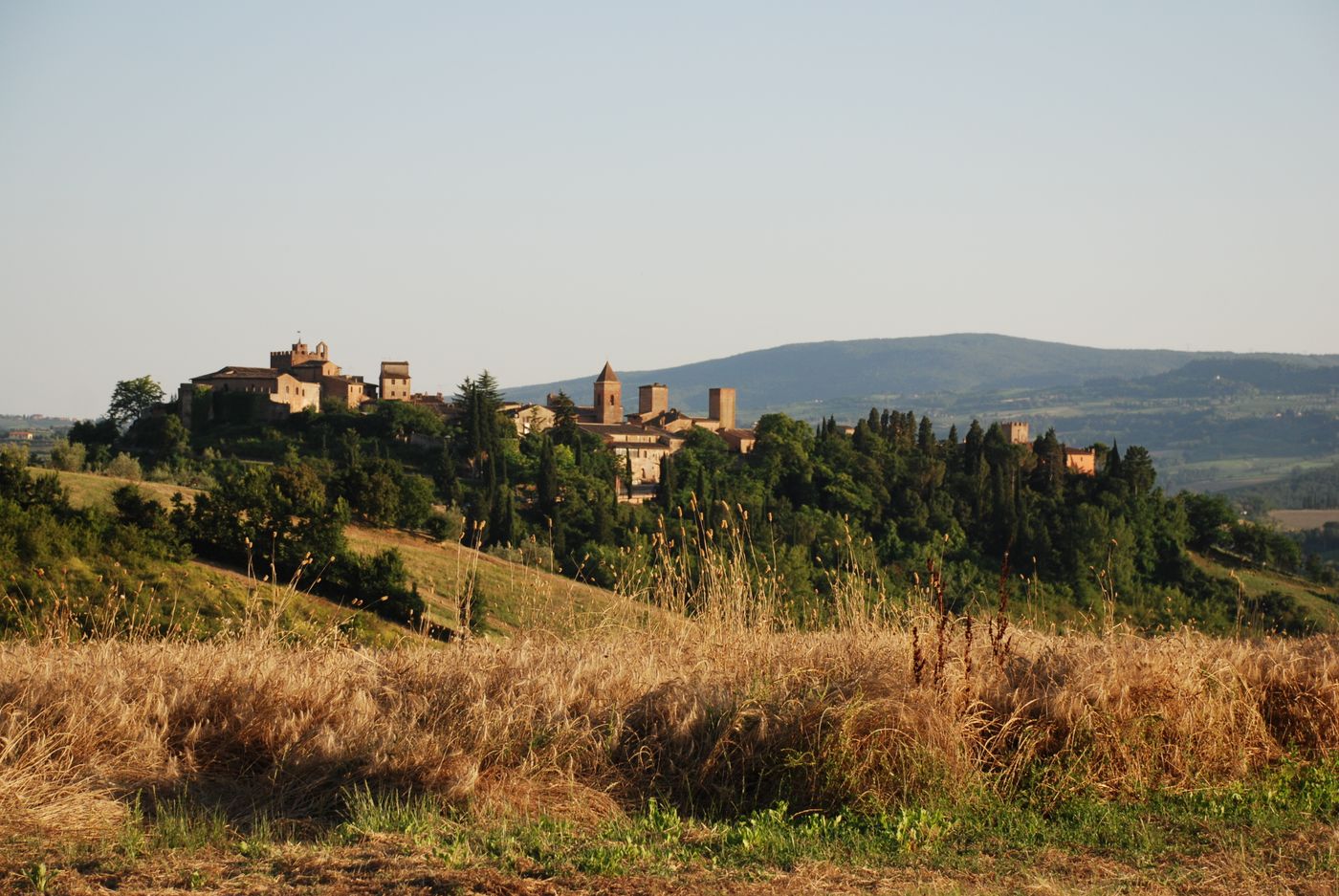
Choosing where to live in Italy is about more than finding a property you love. A historic apartment in Rome, a farmhouse in Tuscany and a home in a Sicilian city offer different prices, practical considerations and ways of life.
For Americans considering a move to Italy, Rome offers a choice between central neighborhoods and areas farther from the historic core. Tuscany appeals to buyers seeking countryside and hill towns, while Sicily and Puglia are worth exploring for those who want to compare southern Italy’s cities and smaller communities.
The best place to start is with your everyday needs: how much space you want, whether you will need a car, how close you want to be to healthcare and services, and whether you plan to rent or buy.
Can Americans buy property in Italy?
Americans can generally buy property in Italy, including when they are not Italian residents. However, it is sensible to have an Italian notary or legal adviser confirm the rules and documentation that apply to your individual circumstances.
Italian law includes reciprocity rules for certain transactions involving non-EU citizens, alongside exceptions and international agreements. For that reason, it is better to verify your position than to assume there can never be a restriction or documentation requirement.
Buying a property does not, by itself, give an American the right to live in Italy indefinitely. If you intend to stay beyond the permitted short-visit period, you will need an appropriate basis for residence separately from the purchase.
What is a codice fiscale?
The codice fiscale is an Italian tax identification code. You will need one for a property purchase and may also need it for other financial and administrative activities in Italy.
Apply early and check the process that applies to you. Italian consular guidance says that a foreign buyer can authorize a representative to request a tax code from Italy’s tax agency, the Agenzia delle Entrate, on their behalf.
Where to live in Rome
Rome offers the appeal of a major city with historic surroundings, but the cost and feel of an apartment can change considerably from one area to another.
Pigneto and San Lorenzo are useful places to explore if you want to compare options beyond Rome’s most expensive historic-center locations. Trastevere and Campo de’ Fiori may appeal to buyers or renters who place a higher priority on a central, historic setting.
Pigneto and San Lorenzo
Pigneto and San Lorenzo offer an alternative to living in the heart of Rome’s historic center. They are worth considering if you want to compare housing costs while remaining in the city.
Neither neighborhood should be judged by price alone. Before choosing a property, spend time on its particular street, visit during the day and evening, and check the journeys you would make regularly.
For a broad price comparison, Immobiliare.it reported an average residential asking price for sale of approximately €3,961 per square meter for the combined Pigneto, San Lorenzo and Casal Bertone area in September 2026. The figure covers a group of areas and different property types; it is not the price of every apartment.
Trastevere and Campo de’ Fiori
Trastevere and the area around Campo de’ Fiori may suit someone who wants a historic setting and proximity to central Rome. The trade-off can be a higher property price, less space for the same budget, or a busier immediate environment.
In September 2026, Immobiliare.it reported an average asking price of approximately €6,689 per square meter in Trastevere. That is considerably higher than the combined-area average for Pigneto, San Lorenzo and Casal Bertone, although the figures are for different geographic groupings and individual properties vary.
If central Rome appeals to you, compare properties at the same total budget. Consider whether being closer to the places you enjoy is worth a smaller apartment or a higher ongoing housing cost.
Living in Sicily: Is Palermo a good option?
Sicily may appeal to Americans looking for a warm climate, regional food and a choice between city life and smaller communities. Palermo is one place to investigate if you want the amenities of a city while exploring housing options in southern Italy.
For a budget-conscious buyer, the useful question is not simply whether Sicily is cheaper than northern Italy. It is whether a particular property offers good value after allowing for its condition, purchase costs and any work needed.
When viewing homes in and around Palermo, consider:
- Whether you prefer a central apartment or a more residential setting.
- The condition of the building and any shared areas.
- Access to the services and healthcare you expect to use.
- Whether you would need a car for everyday trips.
- Any repairs or improvements you would want to make.
Take time to compare several neighborhoods. Prices and daily life can differ substantially within the same city.
Living in Puglia: Exploring Lecce and beyond
Puglia is another southern region to consider if you are drawn to a warmer climate and want to explore the cost of living outside Italy’s largest northern cities. Lecce can be a useful starting point for buyers who want a city setting and are comparing property prices.
As with Palermo, an attractive asking price is only the beginning of the calculation. Look at the home’s condition, its distance from the services you need and the ongoing cost of maintaining it.
If you are considering a smaller town outside Lecce, visit both the town and the property with your everyday routine in mind. A peaceful location may be appealing, but you should also be comfortable with the journey to shops, medical appointments and transport connections.
Living in Tuscany: Farmhouses and hill towns
Tuscany offers a different set of housing choices, including countryside homes and apartments in historic hill towns. It may appeal to lifestyle buyers and retirees who want access to smaller communities and rural surroundings.
A farmhouse can offer more space and a countryside setting, but it also deserves a careful inspection. Before making an offer, investigate the condition of the building, access to the property, utilities, maintenance needs and any planned renovation.
A hill-town apartment may require less land to maintain, but consider practical details such as stairs, parking and the distance to shops and healthcare. If you plan to live in Italy year-round, visit outside the busiest visitor periods as well as during the season when the area first caught your attention.
Does Calabria pay people to move there?
You may have seen reports that Calabria offers newcomers €33,000 over three years to move to a depopulating village. Do not build a purchase or relocation budget around that claim without checking a current official funding notice.
Such programs have specific application periods and conditions; a headline figure does not establish that a grant is available to every new resident. We could not confirm a currently open, general €33,000 offer from the information provided.
If a village incentive interests you, ask the municipality or Calabria’s official funding office for the current rules, deadline, eligible applicants, required commitments and payment terms before making a decision. Calabria’s regional funding portal provides information about published and planned funding opportunities.
Should you rent before buying in Italy?
Renting first can be a useful way to test an area before making a long-term property commitment. It gives you time to experience the neighborhood as a resident, compare homes and understand how your everyday journeys would work.
For example, if you are deciding between central Rome and a neighborhood farther out, a rental can help you assess whether you value the central location enough to justify the additional cost. In a Tuscan hill town or a southern village, it can help you determine whether the pace of life and distance from services suit you.
Before signing a rental agreement, check the lease length, what is included in the rent, the deposit, any building charges and whether the property meets your needs throughout the period you plan to stay.
What should you check before buying an Italian property?
Once you find a property you like, take time to understand the process before signing or paying a deposit. A purchase proposal or preliminary agreement can create obligations, so get advice early.
Italy’s notarial system uses a notaio—a notary and public official—in property transactions. The Italian National Council of Notaries recommends involving a notary from the early stages, including before signing a purchase proposal or preliminary contract. You may also want independent legal and technical advice suited to the property and your circumstances.
Before committing, ask your advisers to help you understand:
- The seller’s ownership and any mortgages or other rights affecting the property.
- Whether the property’s documentation and permitted uses match what is being sold.
- The condition of the building and the likely cost of repairs.
- The purchase price, deposit terms and consequences if the sale does not proceed.
- Taxes, notary fees, agency fees and other transaction costs.
- Any building or condominium charges and planned works.
If documents are in Italian and you do not fully understand them, arrange a reliable translation or interpretation before signing.
Consider healthcare when choosing where to live
Healthcare is relevant to your housing choice, especially if you need regular treatment. A rural property may offer the surroundings you want while placing you farther from a hospital or specialist.
Before committing to an area, check the services available nearby and how you would travel to appointments. Italy’s public healthcare system is organized regionally, and access and services vary by location. Enrollment for Americans depends on their circumstances; it is not automatic simply because they buy a home.
Plan your insurance separately from your property purchase. Original U.S. Medicare generally provides very limited coverage outside the United States, so it should not be assumed to cover routine care in Italy.
How to choose the right place to live in Italy
Begin with a shortlist based on the life you want to lead, then test it against your budget.
Rome may suit you if you want a major city and are prepared to compare the cost of central areas with neighborhoods such as Pigneto and San Lorenzo. Sicily and Puglia offer city and smaller-town options worth investigating in the south. Tuscany may be attractive if a farmhouse or hill-town apartment is central to your plans.
Visit the areas, compare real properties and calculate the full cost before deciding. The right home should work for your daily life as well as look appealing in a listing.
If you’re exploring where to live in Italy and would like help with your property or relocation plans, contact Vantage Point Europe to discuss your needs and be connected with an appropriate independent provider.