Destination Guides
Climate and Geography in France: Choosing the Right Region for Your Move
Compare Mediterranean, Atlantic, northern and mountain climates, property comfort, flood exposure and realistic transport connections across France.
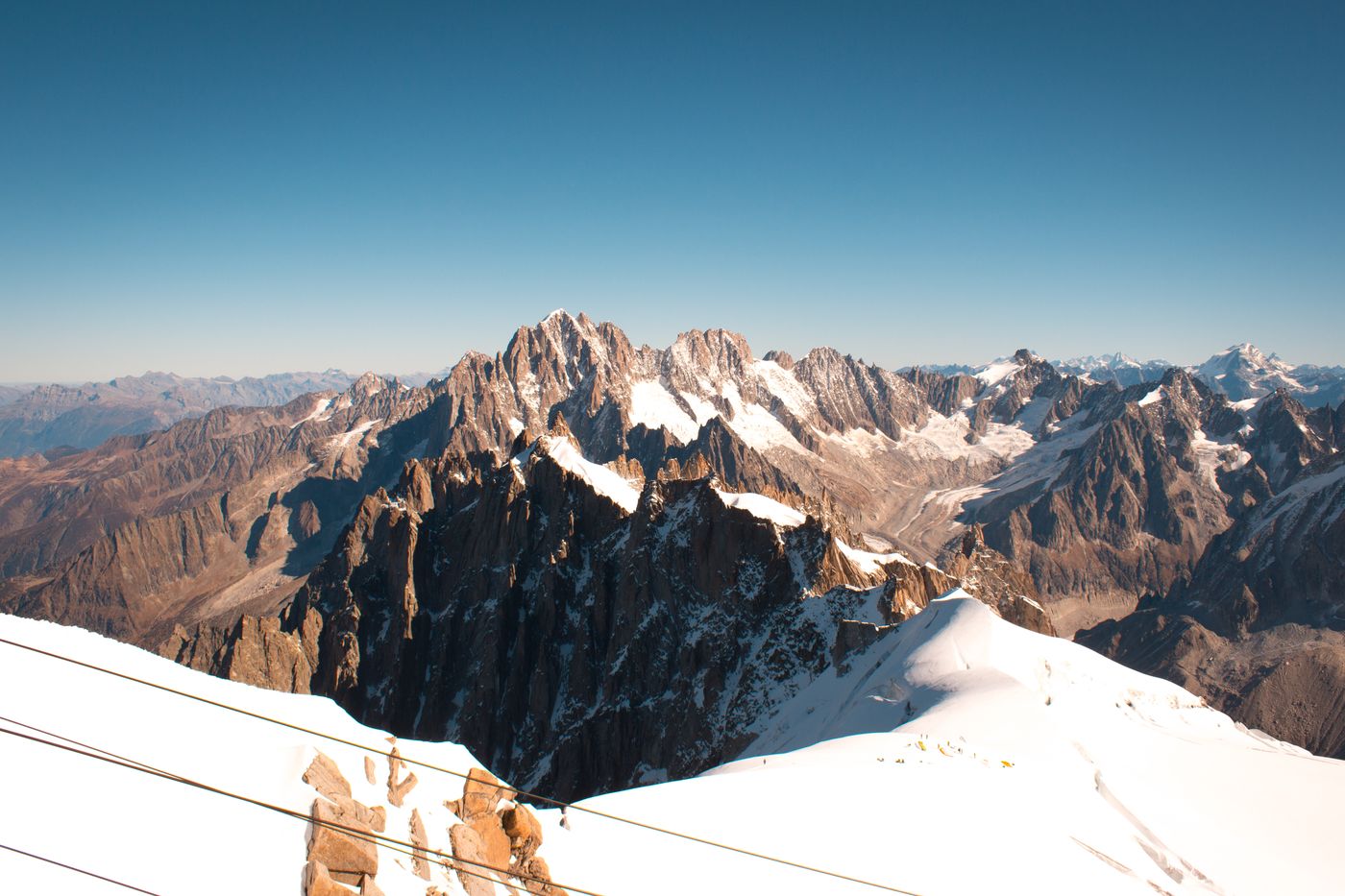
France offers a remarkable choice of landscapes and climates for Americans considering a move abroad. You can live near the Mediterranean, along the Atlantic coast, in a mountain town, in the countryside or in the heart of a major city.
The climate can be just as varied. Provence and the Côte d’Azur are known for warm, sunny summers, while Paris and much of northern France have cooler winters and more changeable weather. Mountain areas offer a different experience again, with temperatures and snowfall varying considerably by elevation.
The question is not simply whether you like the weather in France. It is which part of France feels right for you throughout the year—and how its geography fits the life you want to lead.
What Is the Climate Like in France?
Mainland France has several broad climate patterns. The Mediterranean coast generally has hotter, drier summers; the Atlantic coast is more strongly influenced by the ocean; inland and eastern areas can experience greater seasonal contrasts; and mountain climates change with altitude.
These are broad descriptions, not guarantees for every town. A coastal community, a nearby hillside village and a city farther inland can feel quite different, even within the same region. Météo-France also notes that rainfall patterns vary significantly across the country.
When comparing places, consider more than the average temperature. Sunshine, humidity, wind, rainfall and nighttime temperatures all influence how comfortable a location feels.
Provence and the Côte d’Azur: Mediterranean Living
Provence and the Côte d’Azur appeal to many people looking for sunshine, outdoor living and access to the Mediterranean.
Summer daytime temperatures in parts of the region can reach 28–35°C, or approximately 82–95°F. That is a broad range of possible daytime conditions, not a summer average for every location. Coastal Nice and an inland Provençal town will not necessarily experience the same temperatures, and heatwaves can bring higher readings.
For Americans familiar with Southern California, the combination of Mediterranean scenery and warm, dry summer weather may feel familiar. It is still worth comparing specific places: the coast can differ from inland areas, and rainfall patterns, humidity and winter conditions are not identical.
What to Consider Before Moving to Southern France
Sunshine is appealing, but think about how you will manage the hottest weeks of the year. When viewing a property, look at:
- Whether it has shade and effective ventilation
- How warm the bedrooms become at night
- Whether cooling is available and what it may cost to run
- How exposed outdoor spaces are to afternoon sun
- Whether the location is convenient when you prefer not to drive in the heat
The Mediterranean region can also experience intense rainfall and flooding, particularly during powerful seasonal rain events. If you are considering a specific property, ask about local flood exposure as well as sunshine.
Paris and Northern France: Cooler and More Changeable
Paris and much of northern France generally have cooler, more changeable conditions than the Mediterranean coast.
As a broad indication, summer daytime temperatures can be around 20–25°C, or 68–77°F, while winter daytime temperatures may be around 5–10°C, or 41–50°F. These are approximate conditions, not fixed limits or averages for every northern location. Summer heatwaves can push temperatures substantially higher, and winter mornings and nights can be colder.
Paris also has an inland influence, so it should not be assumed to have exactly the same weather as a town on the northern coast. Météo-France describes the Paris Basin as having a modified oceanic climate.
For someone who enjoys distinct seasons and does not want Mediterranean heat for much of the summer, Paris or a northern region may be appealing. Allow for cooler, grayer periods as well as pleasant spring and summer days.
Can Paris Get Hot in Summer?
Yes. Even though Paris is often cooler than southern France, it can experience intense heat. Météo-France reported that July 2026 was the hottest month recorded across France since national measurements began in 1900.
When looking at an apartment, consider its floor, sun exposure, shutters and ventilation. A home that feels comfortable during a spring viewing may feel quite different during a prolonged summer heatwave.
Western France and the Atlantic Coast
The Atlantic has a strong influence on western France, including areas of Brittany and the coast farther south. Oceanic conditions generally mean more changeable weather, with the sea moderating temperatures near the coast.
Western France is not one uniform climate. Brittany’s coastal weather differs from that of the southwest, and conditions change as you travel inland. Rainfall can also be distributed differently across the country: Météo-France notes that the number of rainy days varies considerably by location.
The Atlantic coast may be attractive if you enjoy the sea but prefer to explore alternatives to Mediterranean summers. Visit in more than one season to understand the local balance of sunshine, wind and rain.
Mountain Living: The Alps and Other Upland Areas
France’s mountain landscapes offer a different setting from its coastal cities and villages. The Alps are an obvious choice for people drawn to mountain scenery and winter sports, while other upland areas provide their own mix of towns, countryside and outdoor activities.
Altitude matters. A town in a valley can have different temperatures, road conditions and snowfall from a village higher in the mountains. If you are considering a mountain home, ask about:
- Winter heating costs
- Snow and road access
- The distance to shops and services
- How busy the town is in different seasons
- Whether you will need a car throughout the year
A location that is beautiful for a ski holiday may—or may not—be the place you want to live in every season.
How Geography Affects Everyday Life in France
The landscape around your home affects more than the view. It can shape your transportation, housing costs and daily routine.
A central apartment in Paris may put shops and public transportation close by. A rural house may offer more space and a quieter setting, but it may also mean longer journeys for appointments or shopping.
When comparing locations, consider the journey from the actual property—not just the nearest well-known city. Check how you would reach:
- Grocery stores and other everyday services
- Doctors and hospitals
- Train stations and airports
- Friends, family or activities important to you
If possible, make those journeys yourself at different times of day before committing to a long-term rental or purchase.
Can You Travel Easily Around France by Train?
France’s high-speed TGV network makes many major city-to-city journeys convenient, particularly on routes to and from Paris.
For example, SNCF lists its fastest Paris–Bordeaux services at approximately two hours, while its fastest Paris–Marseille services take just over three hours. Actual journey times depend on the train and schedule.
Not every destination is reachable within two to five hours, however. Some cross-country journeys take considerably longer or require a connection. SNCF’s Bordeaux–Nice timetable, for example, lists a fastest journey of nearly nine hours for the date shown.
Before choosing a place to live, check the routes you expect to use regularly. A town may be close to a TGV station by car but have less frequent local transportation to reach it.
France’s Landscapes and UNESCO World Heritage Sites
France has more than 50 UNESCO World Heritage properties, encompassing historic cities, monuments, landscapes and natural sites. They include places in mainland France as well as French overseas territories, and some are shared with other countries.
Examples include the banks of the Seine in Paris and the historic winter resort town of Nice. Beyond the well-known cities, France’s heritage extends across many regions, offering opportunities to explore architecture, history and distinctive landscapes.
For someone moving to France, access to places like these may influence where to settle. You do not need to live in a major tourist destination to enjoy exploring the surrounding region, although transportation and journey times are worth checking.
How to Choose the Best Climate in France for You
Start by thinking about the weather and surroundings you enjoy in everyday life, rather than only what you enjoy on vacation.
If You Prefer Warm, Sunny Summers
Consider exploring Provence and the Mediterranean coast. Compare coastal and inland locations, and think honestly about how comfortable you are with very hot days and warm nights.
If You Prefer Cooler, More Changeable Weather
Paris, northern France and parts of the Atlantic coast may be worth considering. Look beyond a summer visit so you can also experience the cooler and potentially wetter months.
If You Enjoy Mountains and Outdoor Activities
Explore towns in or near the Alps and other upland areas. Check elevation, winter access and how the community operates outside its busiest visitor season.
If You Want a Balance of Countryside and Connections
Look at smaller towns within practical reach of a larger city or railway station. A map can be a useful starting point, but test the actual journey times and services before deciding.
Visit in More Than One Season
One of the most useful ways to compare regions is to visit at different times of year. A coastal town in August, a rural village in January and a city in spring can each feel very different.
If your circumstances allow, renting in your preferred region before buying gives you time to experience the climate, local transportation and daily routine. It can also help you decide which features matter most in your eventual home—from shade and cooling to insulation and reliable winter access.
Planning Your Move to France
France’s climate and geography offer plenty of choice, but the best region is the one that works for your life throughout the year. Consider the seasons, the landscape, the journeys you will make and the type of home that will keep you comfortable.
If you’re exploring where to move in France and would like help connecting with independent relocation or property providers, contact Vantage Point Europe to discuss your plans.